History of Climate Action
Explore the history and important events behind the climate change movement from 1962 to today.
By experts and staff
- Updated
As awareness of climate change has grown, activists and policymakers have sought to drive global action to address the worldwide issue. Beginning in the 1960s, a blossoming environmental protection movement brought issues of pollution and environmental destruction to the foreground, and in some cases spurred legislation to address harmful practices.
International action to address climate change began to take shape in the 1990s, with the formation of the UN Framework Convention on Climate Change (UNFCCC). The landmark convention laid the foundation for future international climate agreements such as the and the .
But as the effects of climate change have become increasingly apparent in the opening decades of the twenty-first century, new waves of climate activists around the world have begun to make urgent calls for governments to fight climate change more ambitiously. Let’s take a closer look at the history of climate action and activism in the following timeline.
1962Silent Spring Galvanizes Conservation Movements
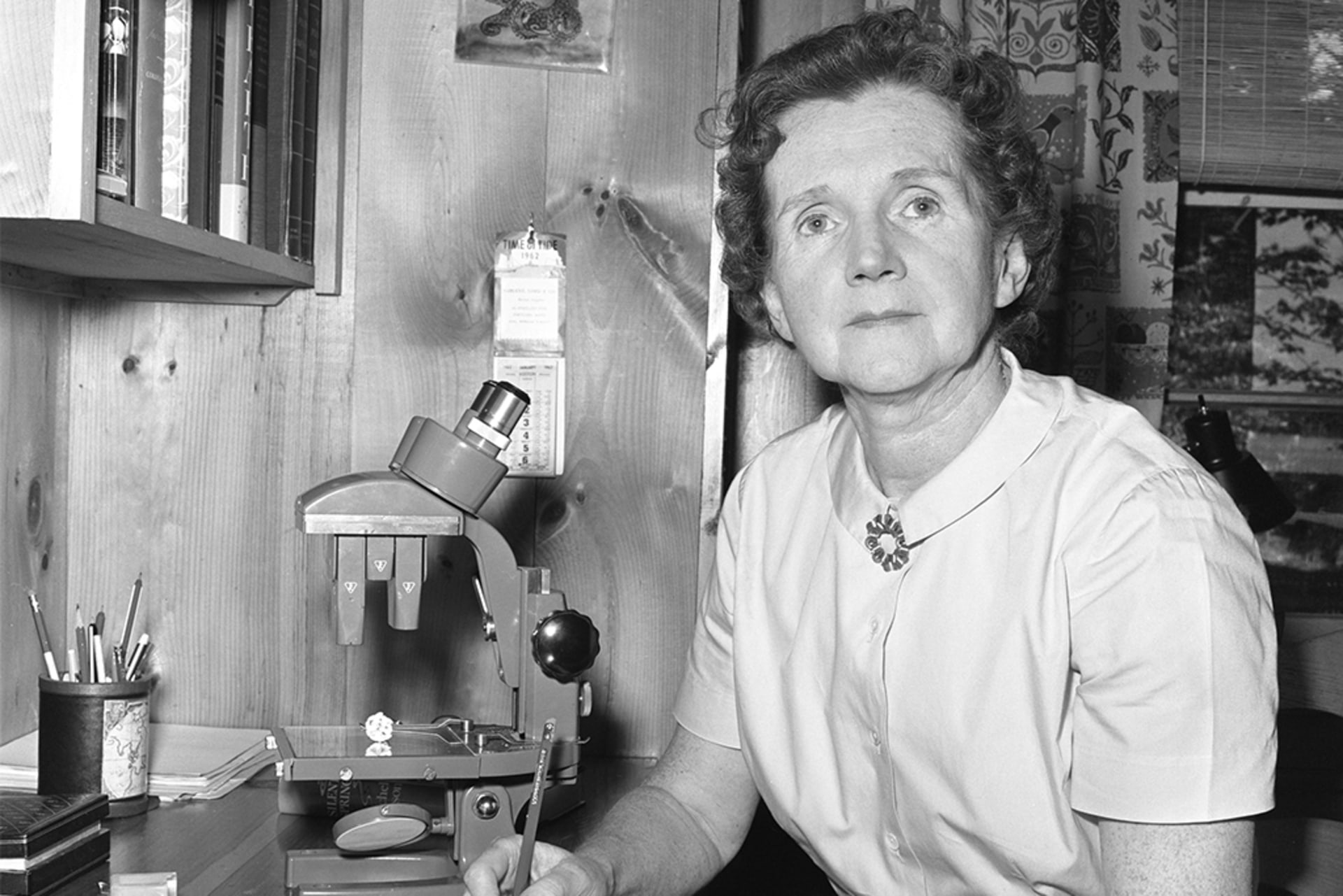
Marine biologist Rachel Carson publishes Silent Spring, which documents the environmental harm that came from using the pesticide DDT. Her book brings public attention to the relationship between human beings and the natural world and helps set the stage for a growing environmental conservation movement.
1963First U.S. Air Pollution Law Passed
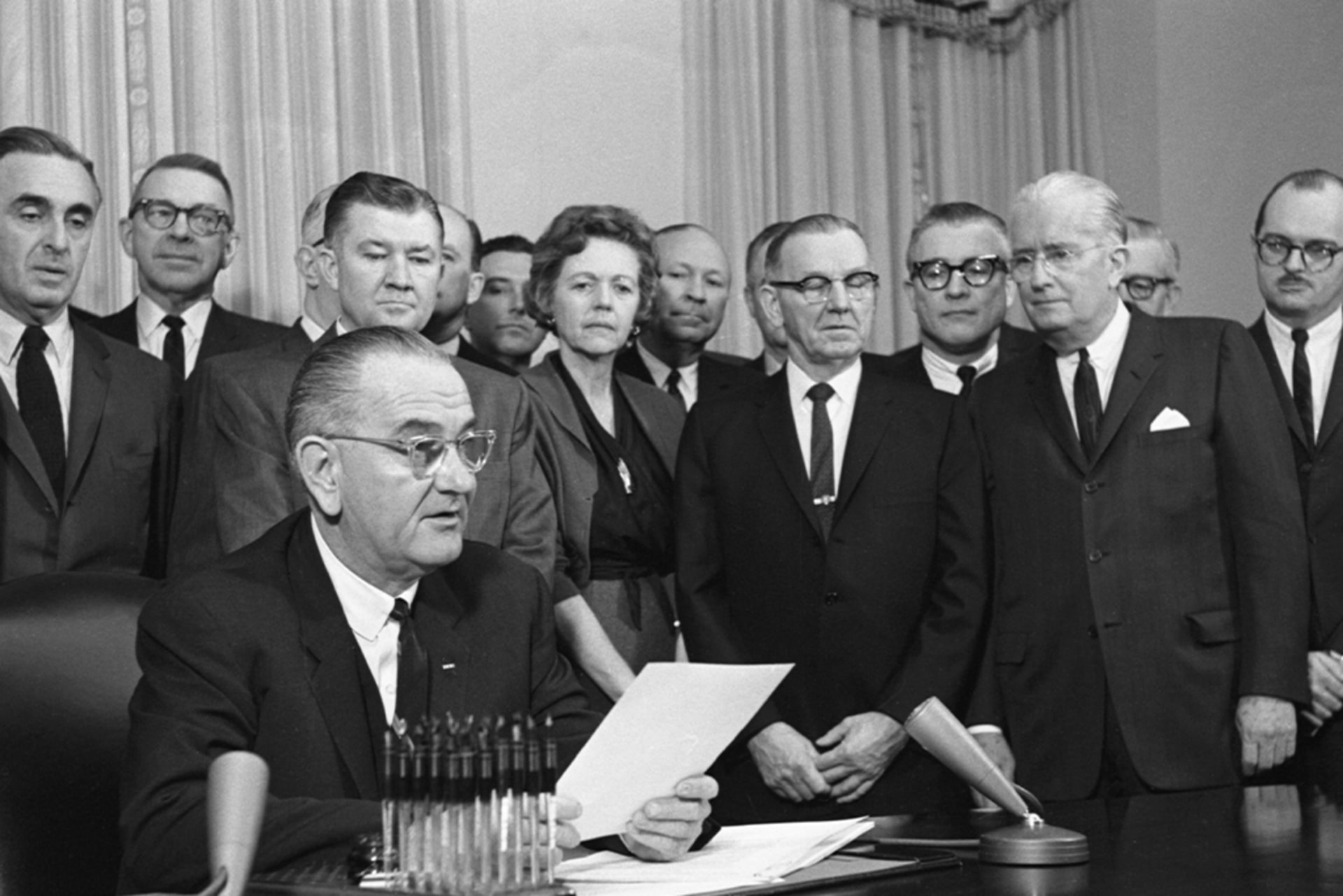
President Lyndon B. Johnson signs the , the first U.S. law regarding the control of air pollution. Substantial amendments to the bill in 1970, 1977, and 1990 authorize the government to set, monitor, and enforce standards for stationary and mobile pollution sources (i.e., industry and vehicles).
1967EDF and NRDC Form
The Environmental Defense Fund and Natural Resource Defense Council are concurrently founded in the United States. Over the following decades, both organizations become influential advocates for conservation efforts and actions to fight climate change.
1969Friends of the Earth Forms
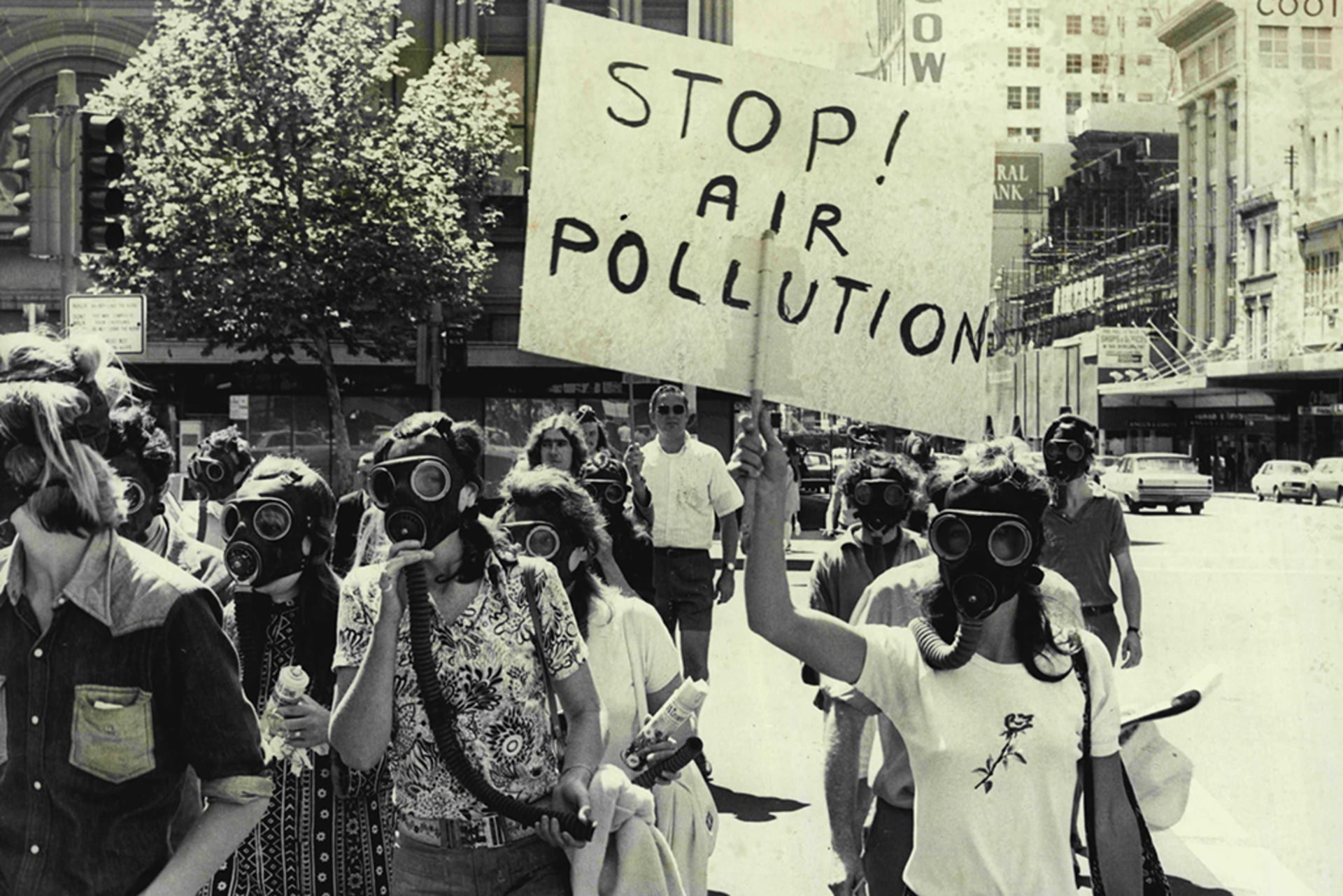
Friends of the Earth, an environmental advocacy organization, is founded in San Francisco. Two years later, the organization combines with environmental advocates from outside the United States. Today, Friends of the Earth International comprises representatives from seventy-one countries.
1970The First Earth Day
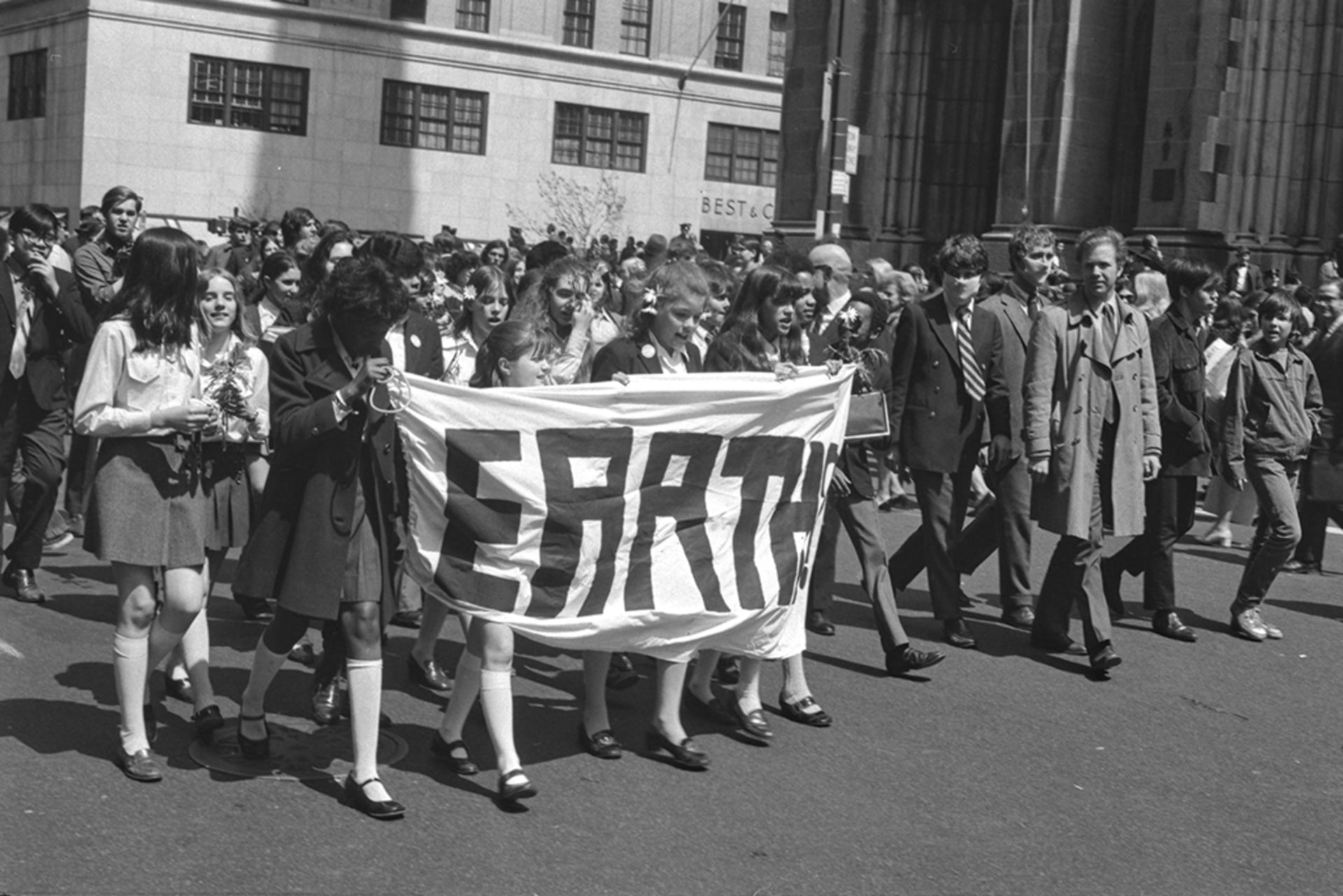
The United States celebrates the first Earth Day. The event’s organizers set out to raise awareness of concerns over pollution and toxic waste. The concept eventually spreads internationally; by 2020, over 100 million people in 192 countries observe the day.
1970NOAA and the EPA Are Born
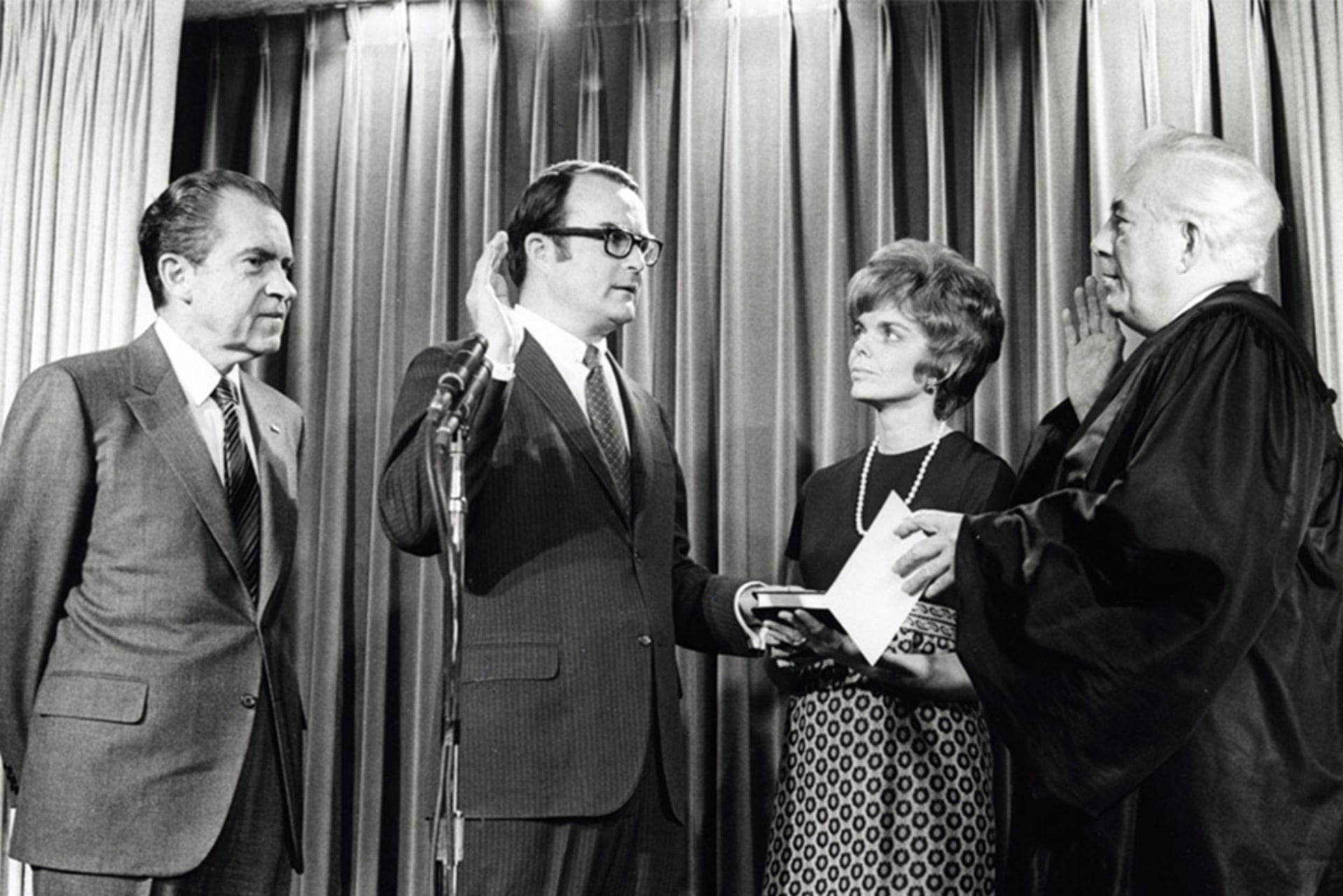
President Richard Nixon creates the U.S. National Oceanic and Atmospheric Administration and the Environmental Protection Agency to enforce environmental protection standards, conduct research, combat pollution, and assist in developing new policies.
1971Greenpeace Is Founded
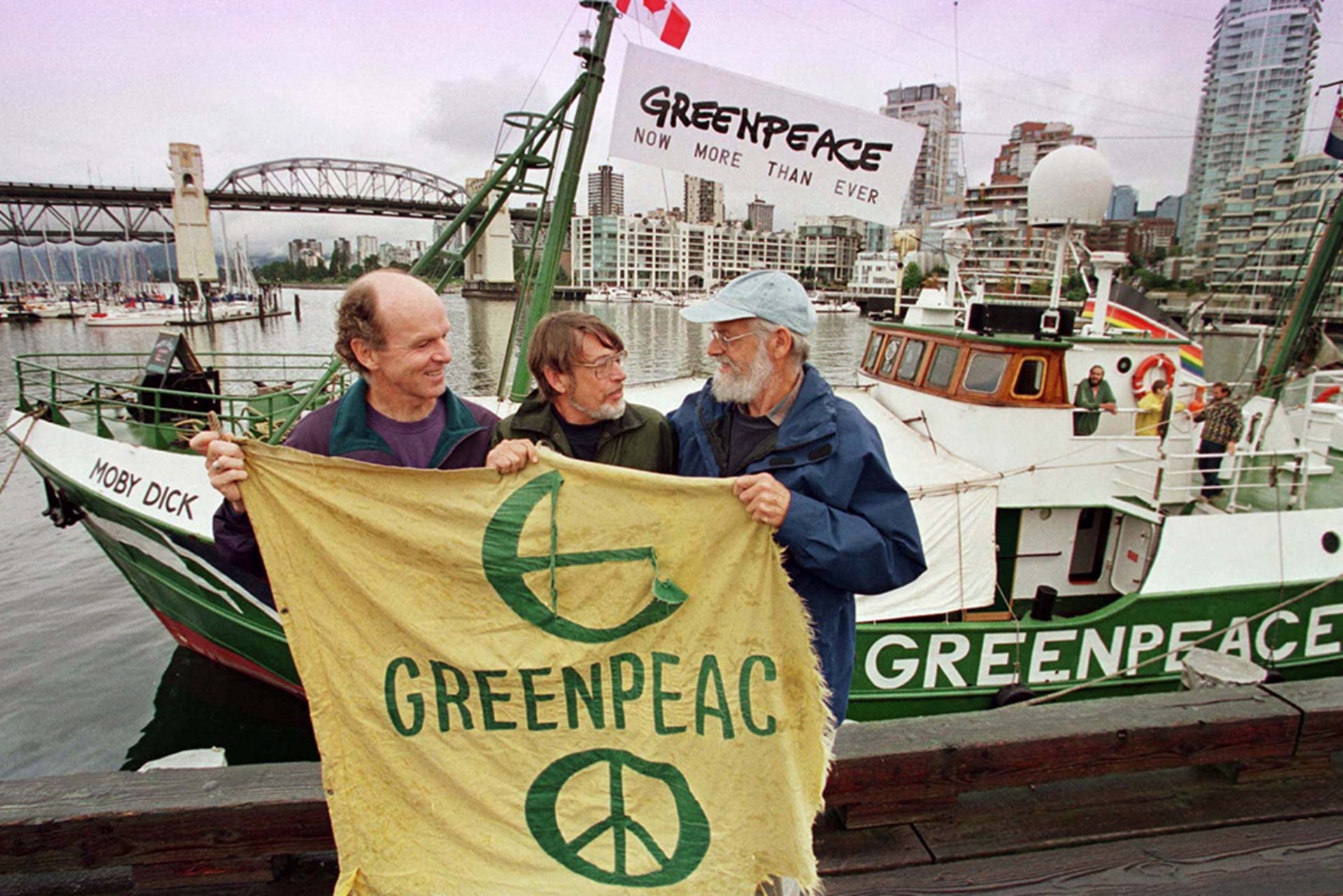
The environmental activist organization Greenpeace is founded in Canada. Born from a protest against U.S. nuclear testing, the organization soon expands to coordinate activism on a broad array of environmental issues, including climate change, , and overfishing.
1972First UN Environmental Conference
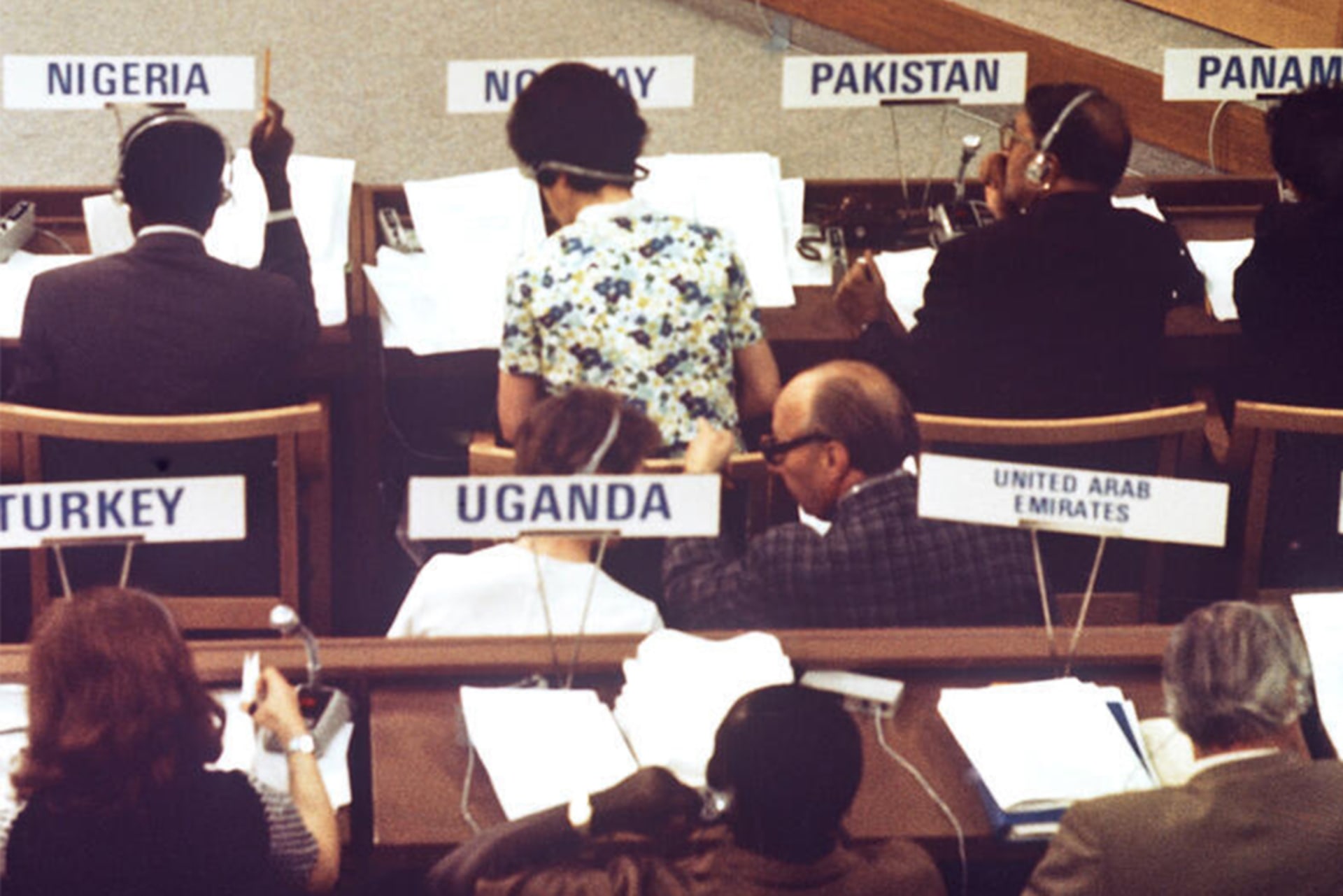
The United Nations convenes a Conference on the Human Environment in Stockholm, marking the first international discussion of environmental issues. Participants adopt a declaration setting out principles for the preservation and enhancement of the human environment, alongside an action plan with recommendations for international environmental protection. Following the conference, the United Nations also forms the UN Environment Program to coordinate international environmental action.
1989Climate Action Network is Founded
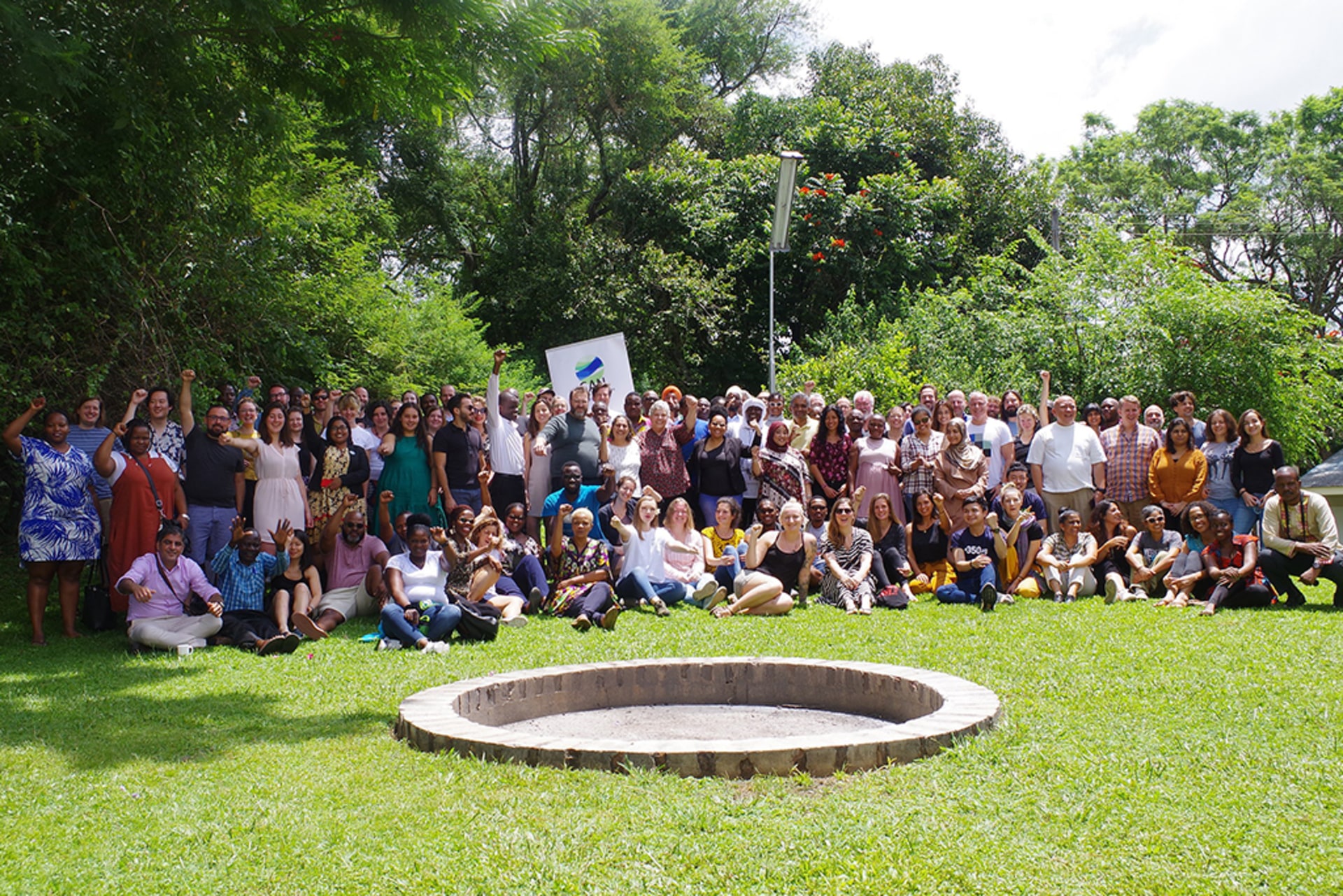
Climate Action Network is founded to coordinate the climate efforts of civil-society organizations around the world. As of 2025, the network comprises more than 1,900 organizations across 130 countries.
1995The Conference of Parties' First Meeting
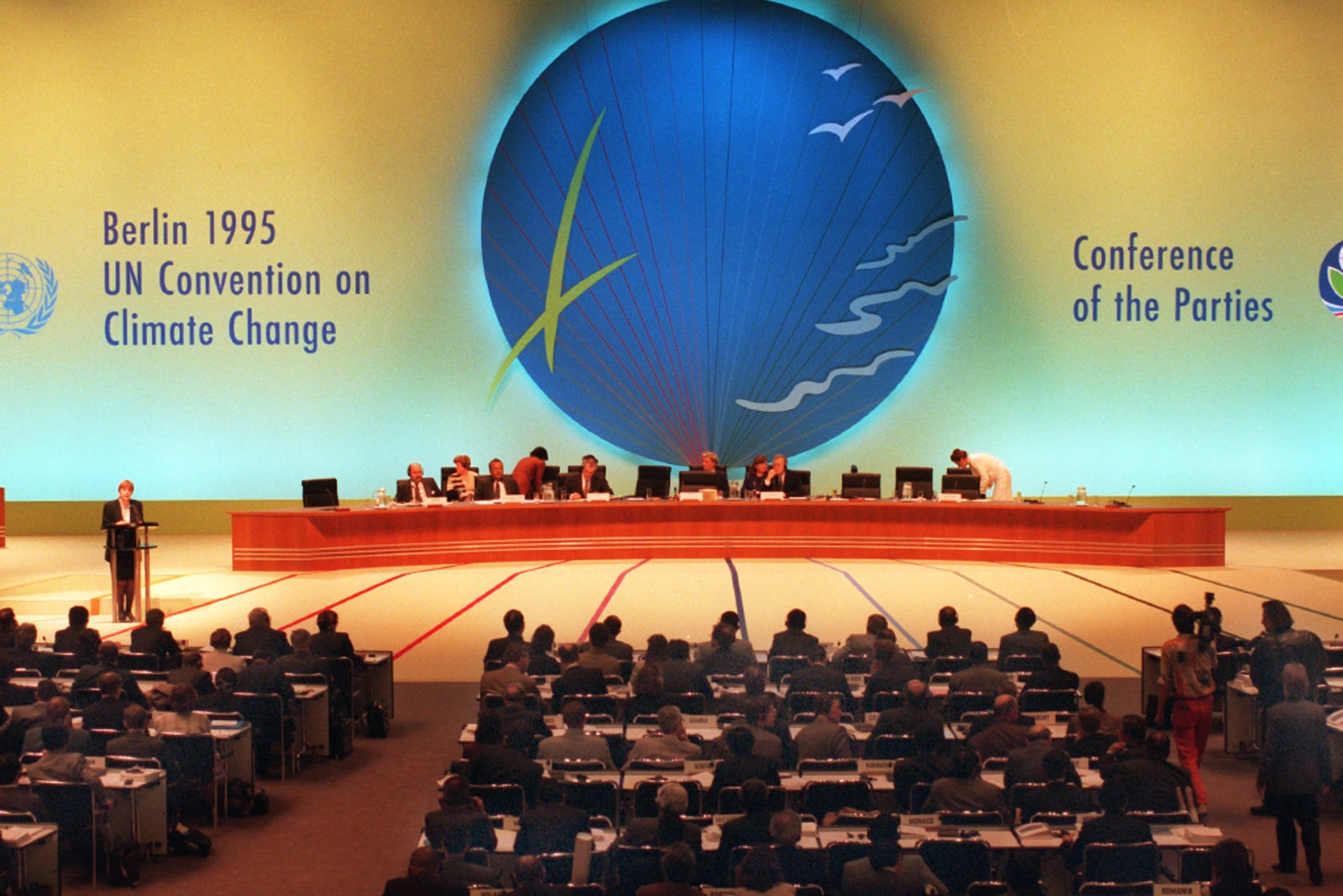
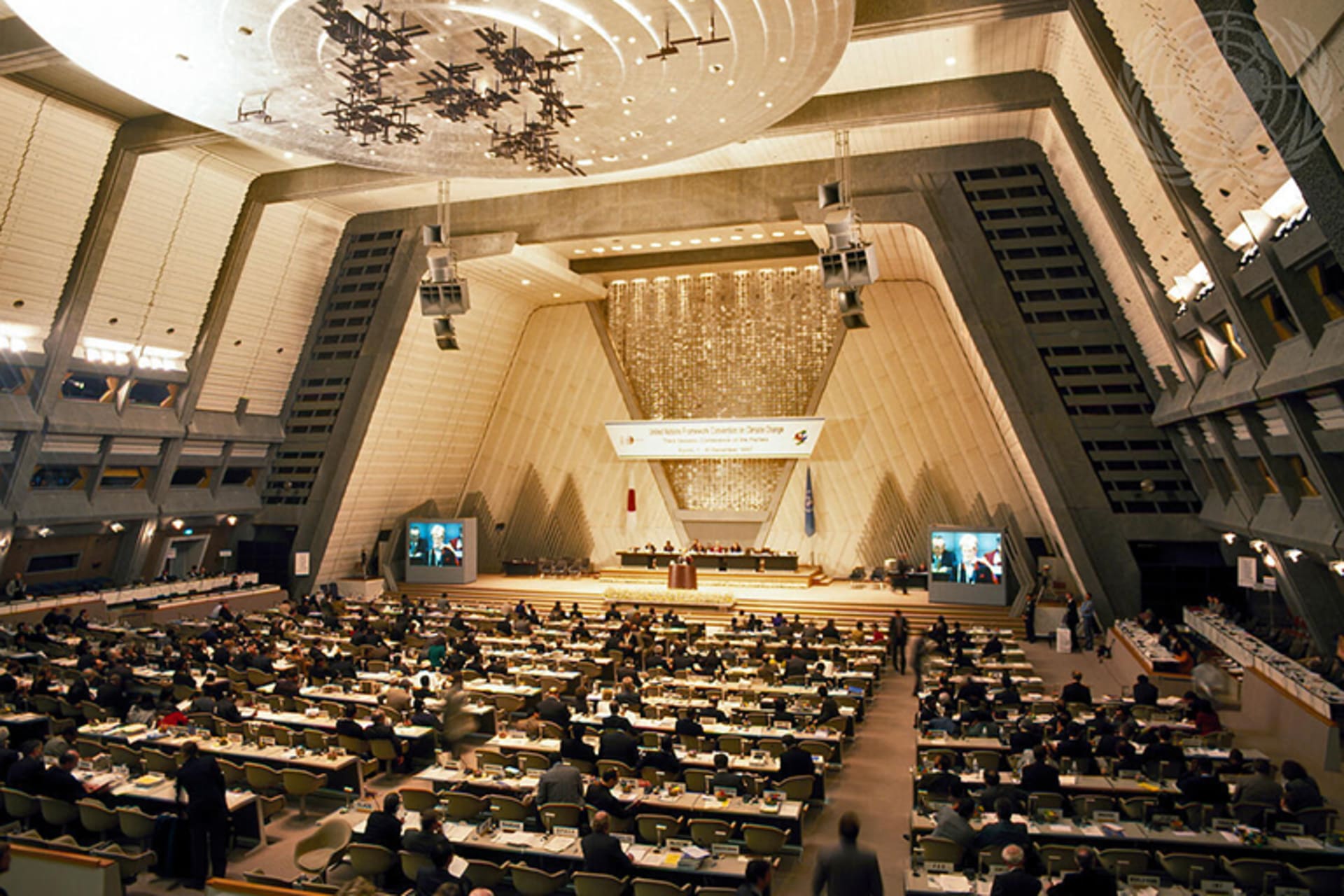
Delegates of the UN Convention on Climate Change attend the first Conference of the Parties (COP 1) in Berlin, Germany, in March 1995.
1997Kyoto Protocol Is Negotiated
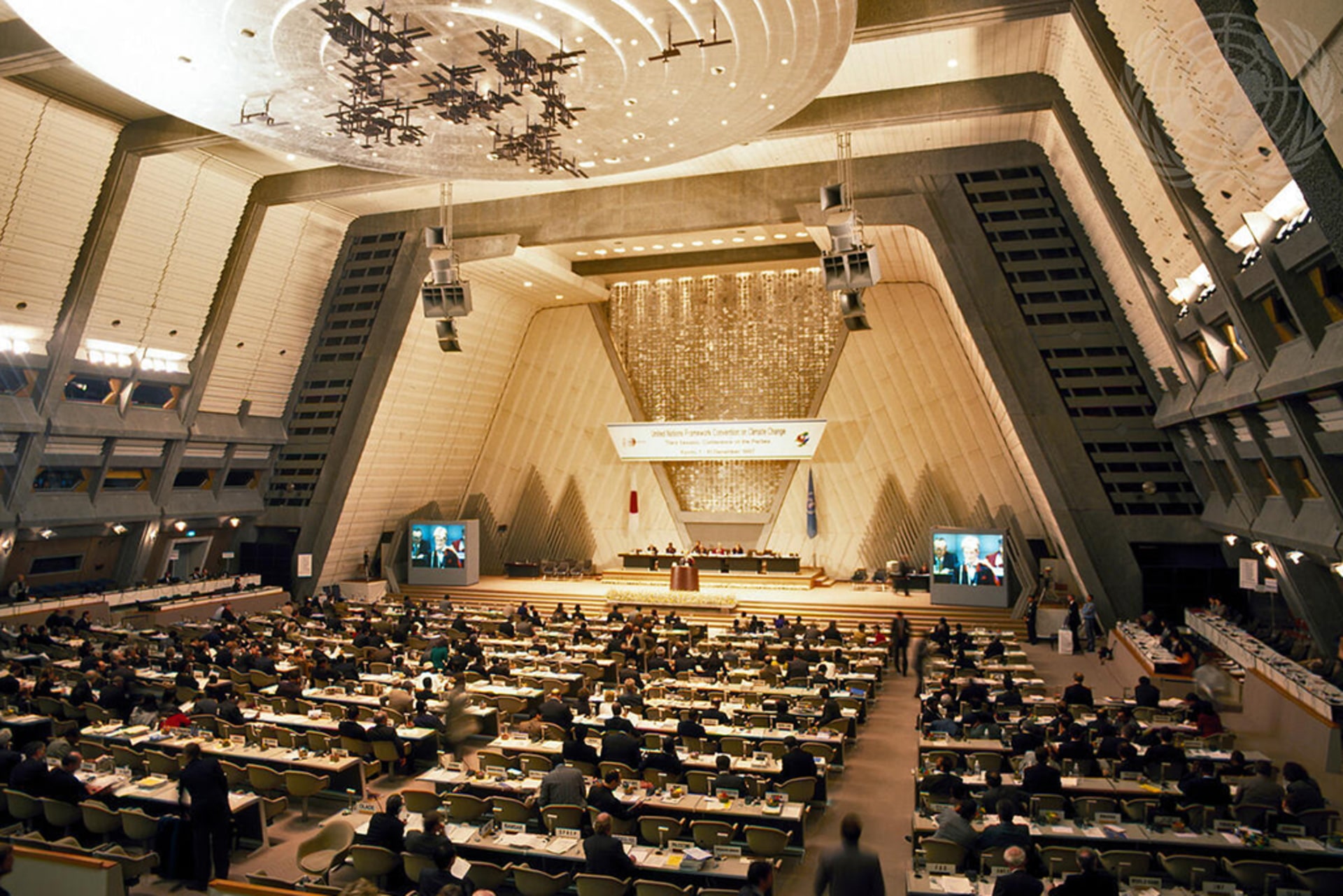
At COP3 in Japan, UNFCCC parties negotiate the Kyoto Protocol. The agreement requires thirty-eight industrialized countries to reduce their emissions by 5 percent compared to 1990 levels. However, the protocol does not require reductions from developing countries, including high-emitting countries like China and India. The U.S. Senate declares that it will not ratify the protocol. The agreement enters into force in 2005, without the United States as a party.
2005Climate Activists Organize Global Day of Action
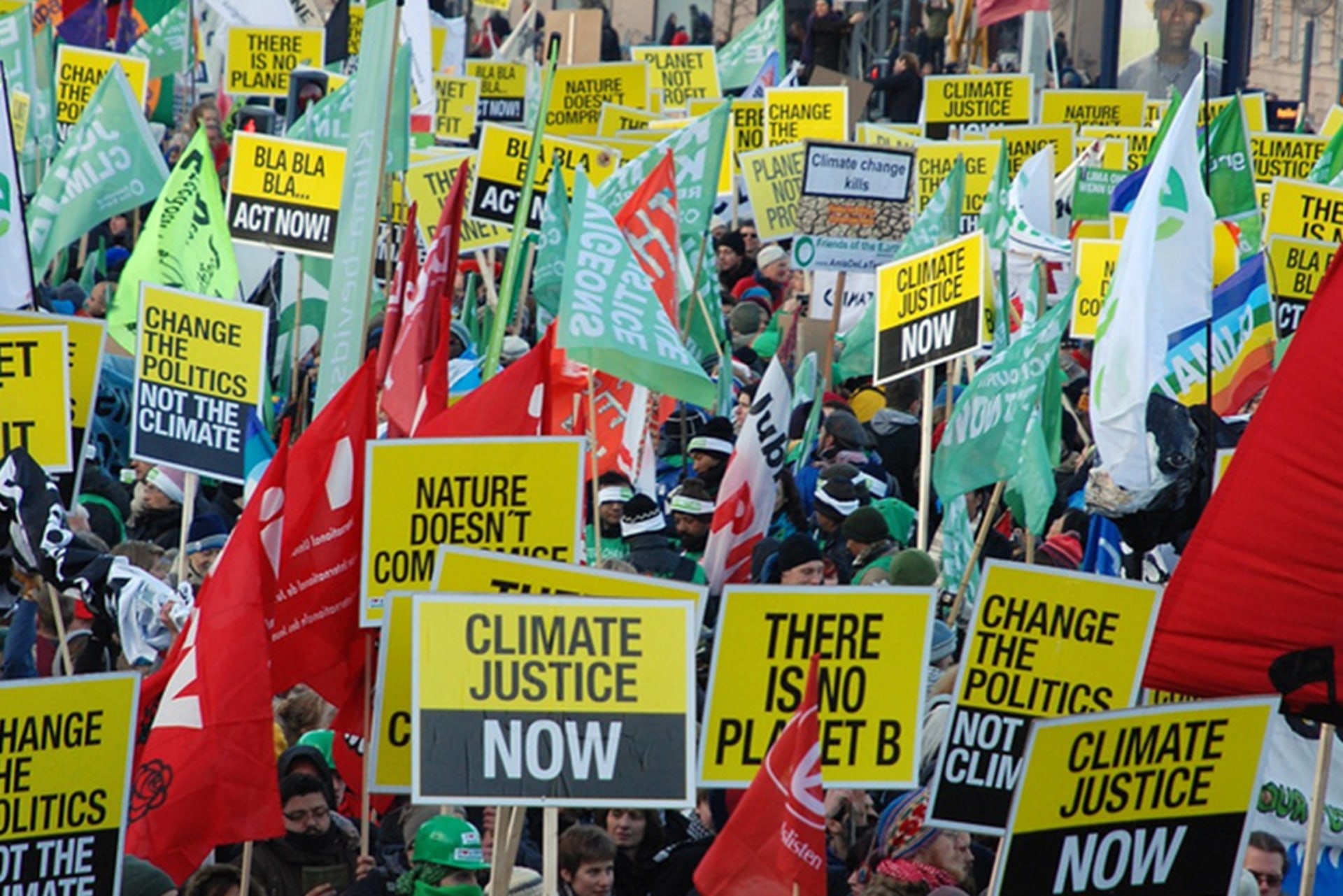
The First Global Day of Action takes place during COP11, featuring marches, rallies, and demonstrations in over sixty countries. The day’s focus is to demand commitment to the Kyoto Protocol—which had recently entered into force—but also to demand more ambitious climate action going forward. The event becomes an annual occurrence, set to coincide with each year’s COP.
2006An Inconvenient Truth Draws Attention to Climate Change

The documentary An Inconvenient Truth is released. Featuring former U.S. Vice President Al Gore, the film reenergizes the climate change debate in the United States, and Gore and the Intergovernmental Panel on Climate Change win the Nobel Peace Prize a year later.
2011Student Divestment Campaigns Spread
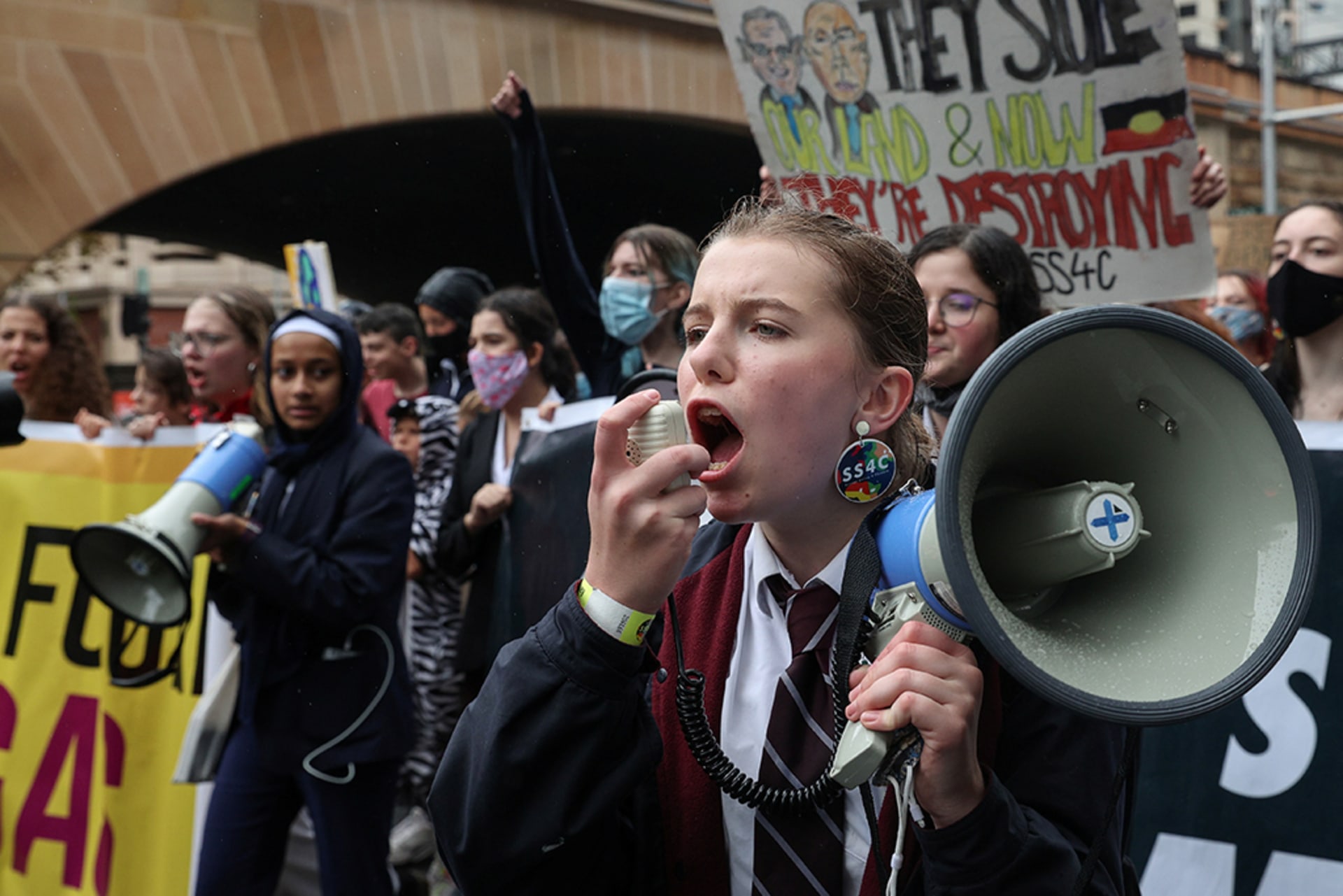
Student groups around the world begin pressuring universities to sell or move their investments in companies. The movement soon grows beyond universities, with activist groups worldwide pressuring many different organizations to divest from . As of 2024, more than 1,600 institutions and individual investors, representing more than $40 trillion in assets, have made commitments to do so.
2014The People’s Climate March Mobilizes Hundreds of Thousands
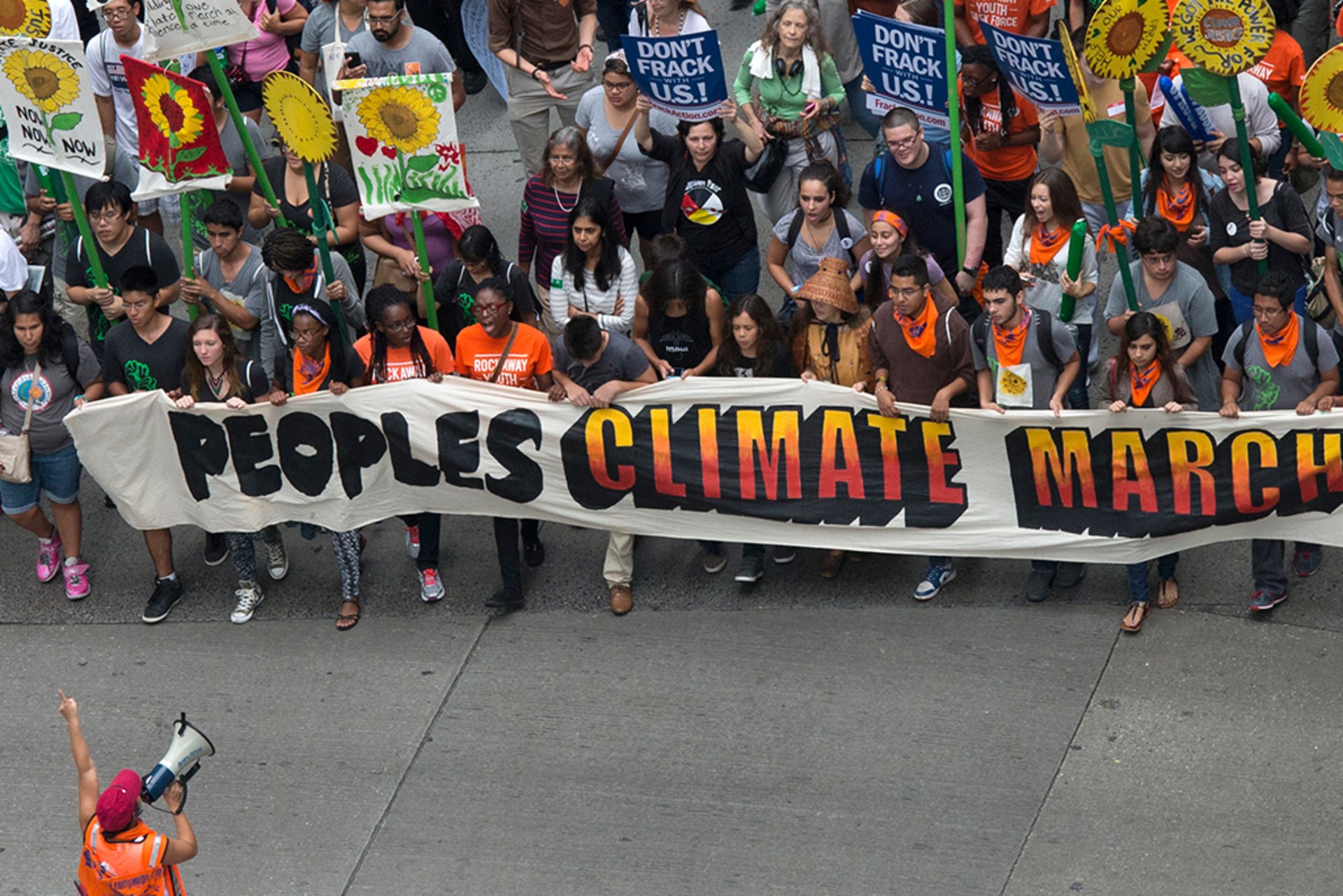
Activists organize the People’s Climate March to demand that governments take climate action. The march is the largest single climate protest to date. More than three hundred thousand people take to the streets in New York City, with thousands more joining in other cities around the world. Climate protests continue globally in the following months. In October, a group of activists from several Pacific Island countries, known as the Pacific Climate Warriors, uses canoes to briefly the world’s largest coal port in Newcastle, Australia, to draw attention to the threat that rising sea levels pose to low-lying small island nations.
2015The Paris Agreement Is Negotiated
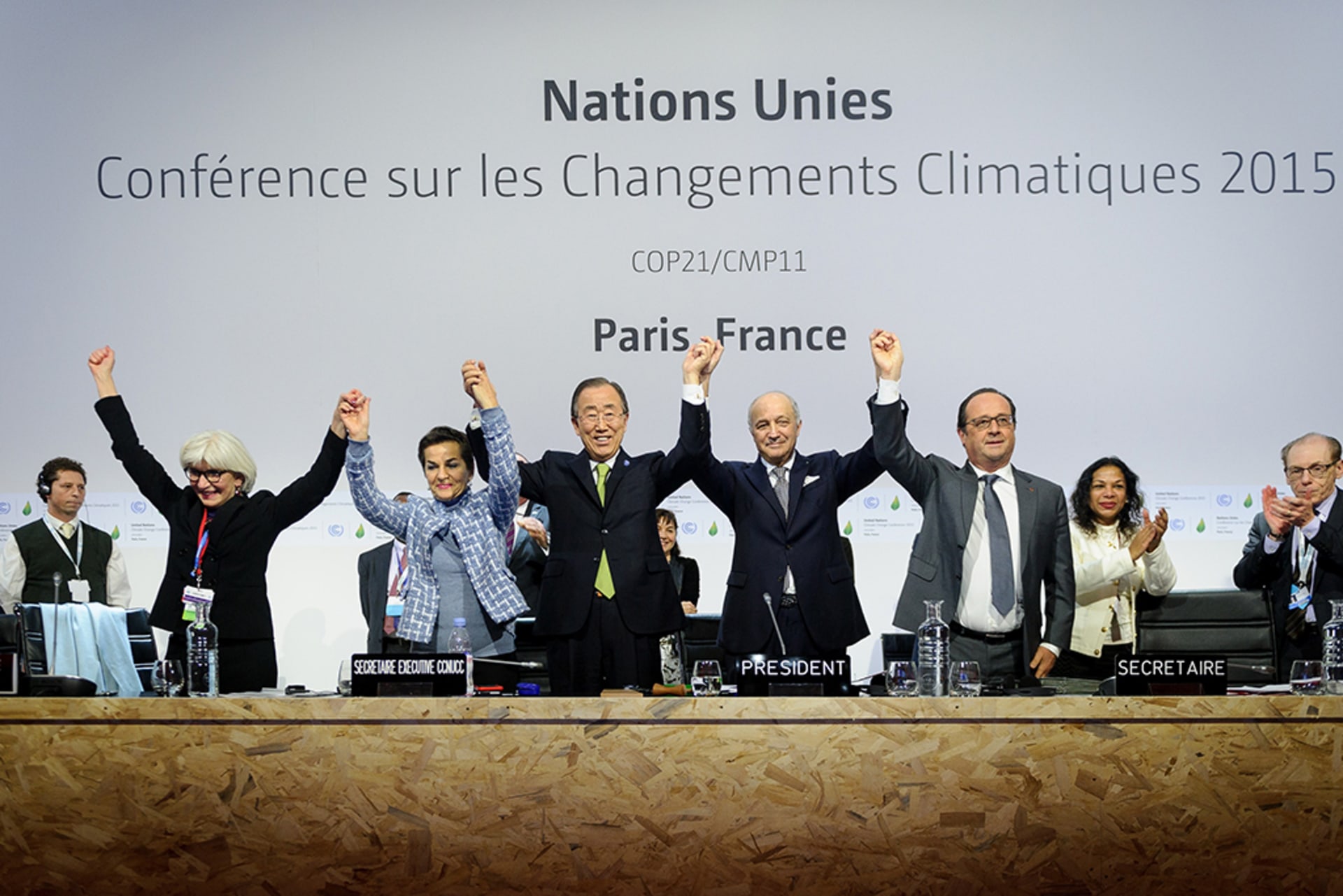
The Paris Agreement is negotiated. At COP21 in Paris, UN member states agree on a new governing framework for global emissions reductions to follow up the Kyoto Protocol. Unlike Kyoto, the Paris Agreement requires all countries, developed and developing, to make national pledges to reduce greenhouse gas emissions. The agreement also calls on countries to review and strengthen their pledges every five years (beginning in 2023).
2018Greta Thunberg Sparks Global Activism
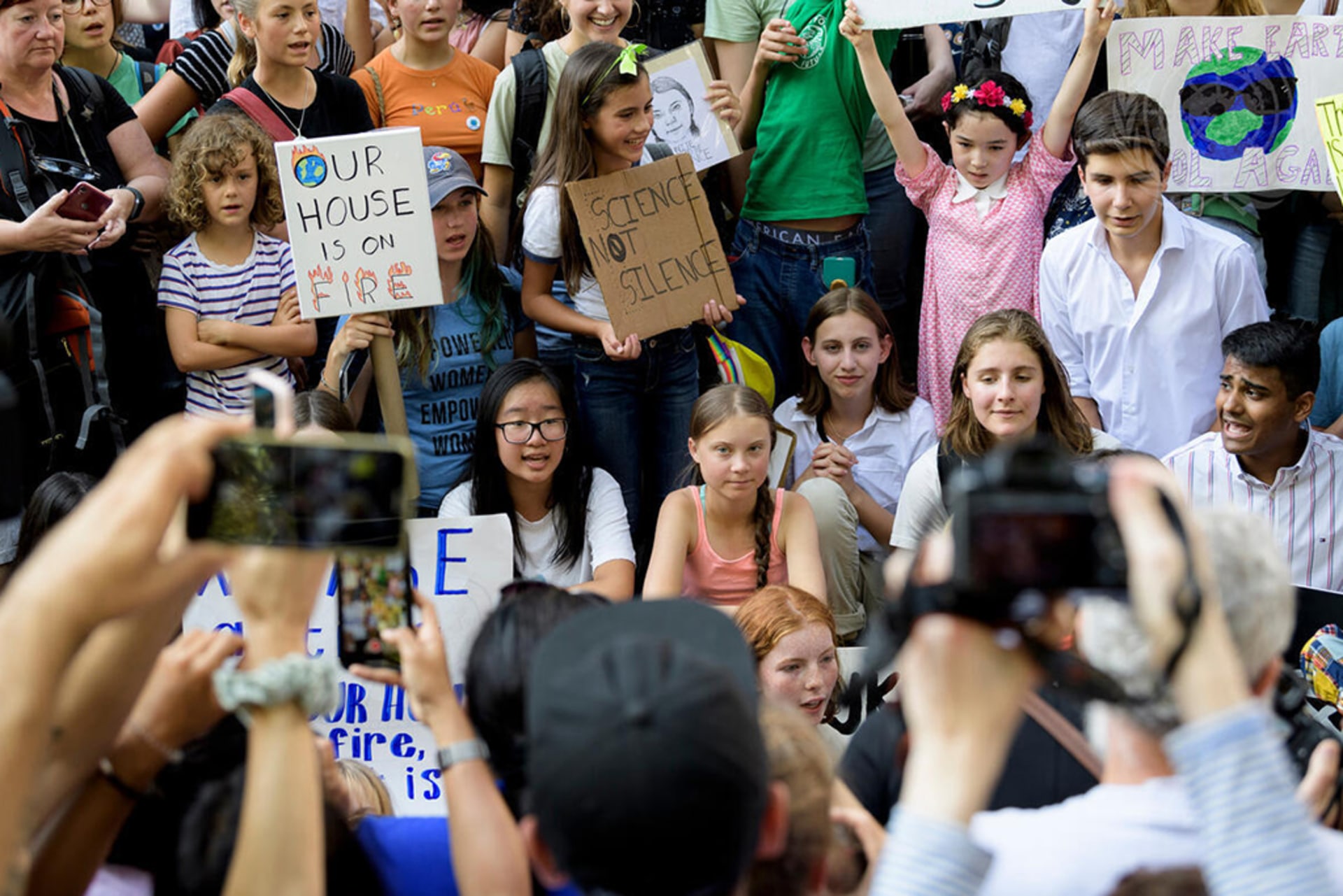
Fifteen-year-old Greta Thunberg goes on a school strike to protest outside the Swedish Parliament, demanding stronger action to meet the country’s commitment under the Paris Agreement. Thunberg’s strike sparks an international movement in schools known as Fridays for Future, with students regularly striking on Fridays to call for stronger climate action. The movement gains momentum over the next year, with a series of worldwide climate strikes. The largest, known as the Global Week for Future, sees an estimated four million people participate across 125 countries.
2019Net-Zero Laws Begin to Spread
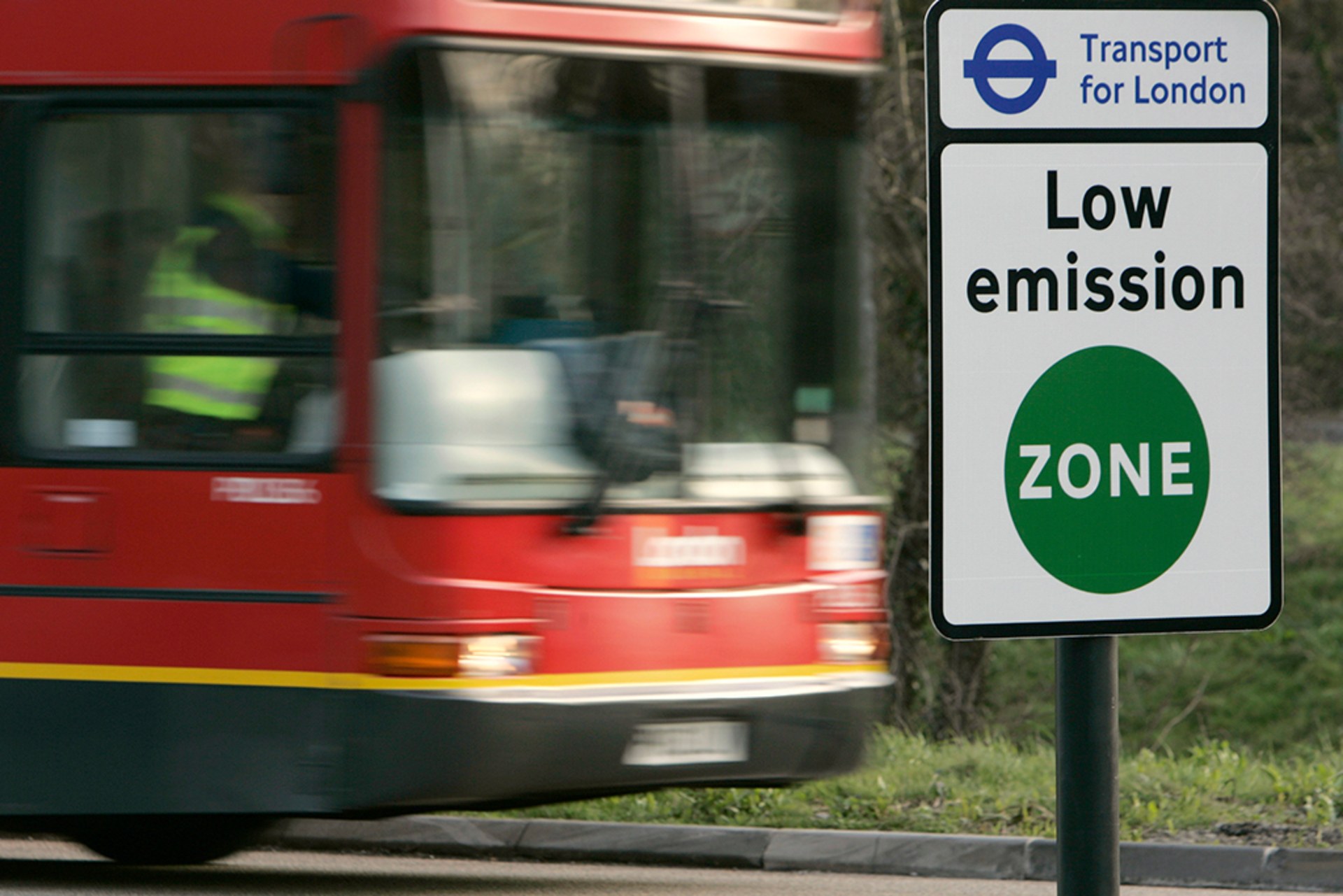
The United Kingdom becomes the world’s first major economy to pass a net-zero emissions law. The law commits the country to reach net-zero greenhouse gas emissions—meaning that any emissions are balanced by carbon-dioxide-removal measures—by 2050. In the following years, dozens of countries follow suit, either adopting formal legislation or enshrining net-zero commitments in policy documents.
2022Countries Create Loss and Damage Fund
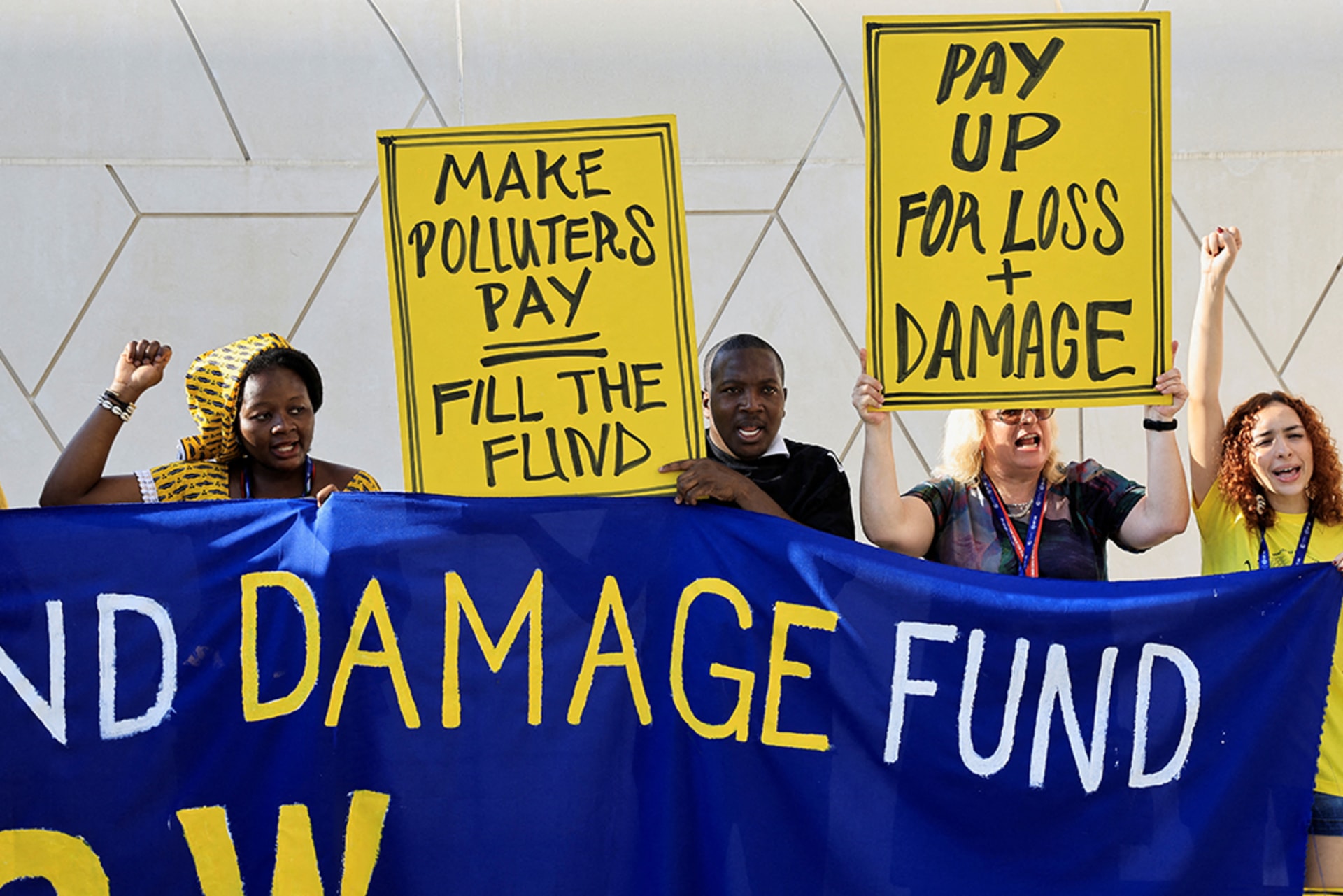
At COP27 in Egypt, countries agree for the first time to establish a fund to compensate vulnerable countries for loss and damage they experience due to climate change. Countries are slow to contribute, however; as of 2024, the fund totals less than $1 billion.
2023Countries Agree to Phase out Fossil Fuels
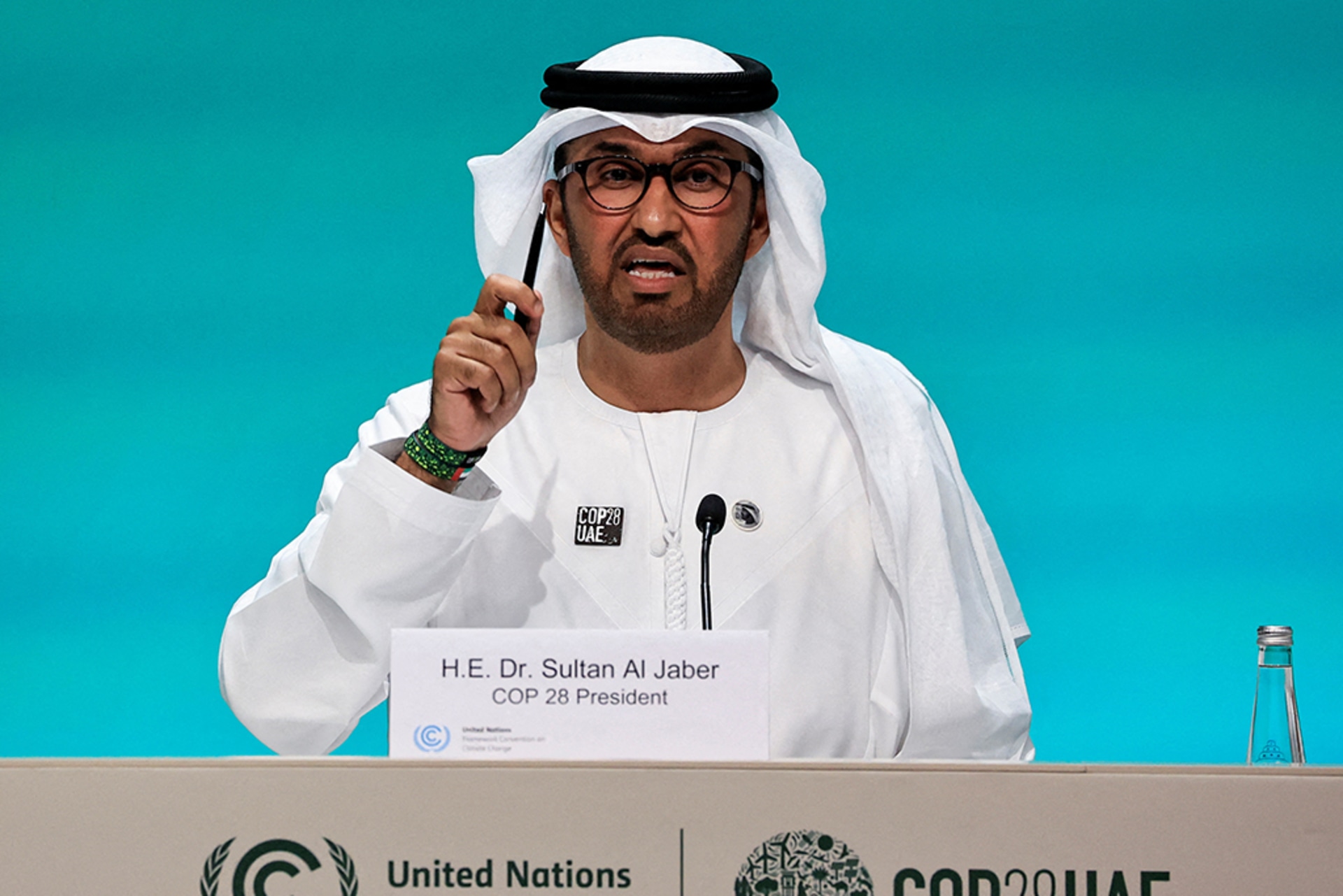
At COP28 in Dubai, United Arab Emirates, countries reach an agreement to transition away from fossil fuels in a “just, orderly, and equitable manner.” The agreement marks the first explicit commitment from countries to phase down their fossil fuel use.