After the Midterms, Trump Still Holds the Reins on Foreign Policy
Expectations that a Democratic Congress will force major changes in U.S. foreign policy are likely to be disappointed.
By experts and staff
- Published
 James M. LindsayCFR ExpertMary and David Boies Distinguished Senior Fellow in U.S. Foreign Policy
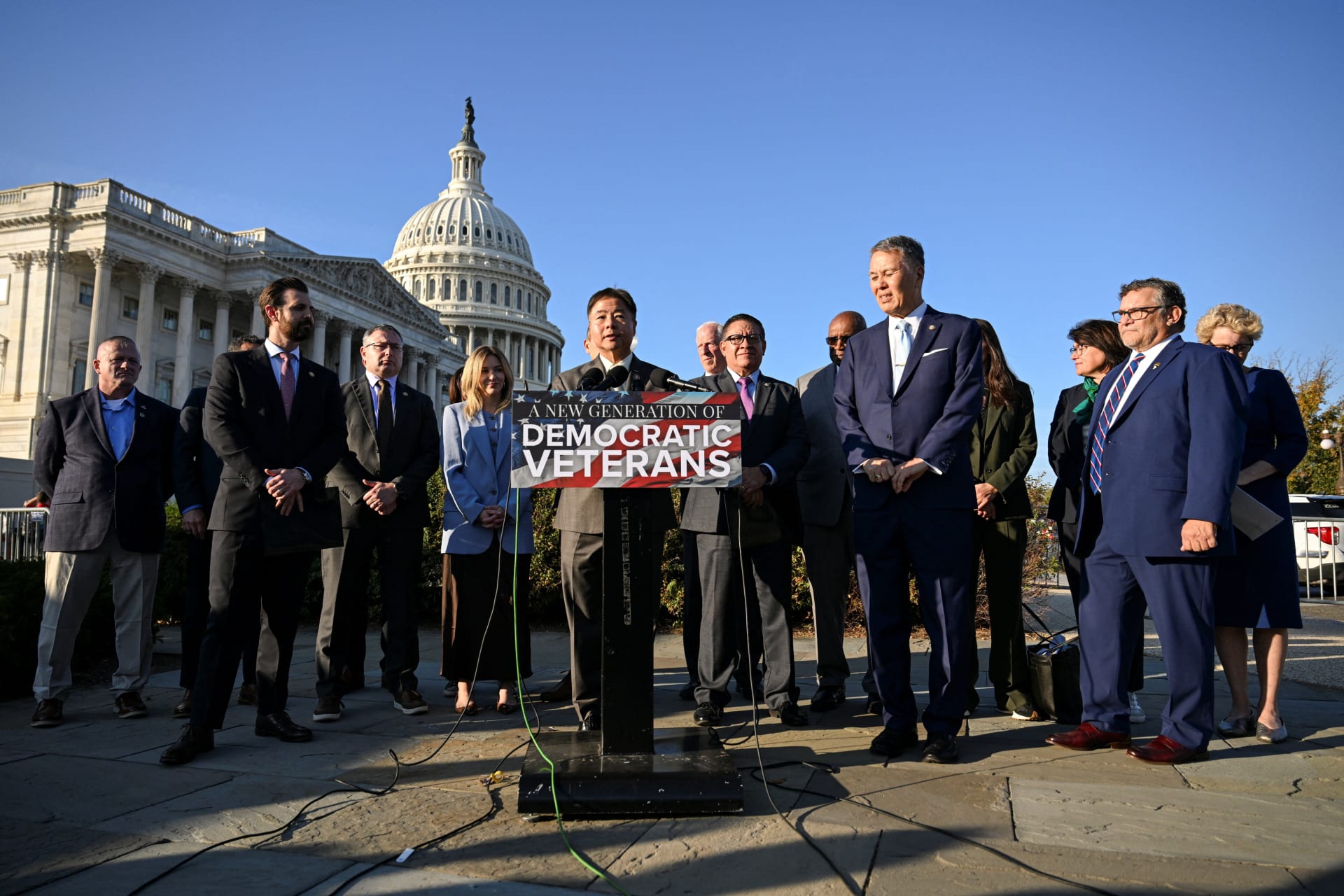
Democrats won a resounding midterm victory in part by pledging to end the war in Iran and curtail the use of tariffs. Now expectations are soaring that a Democratic Congress will soon force major changes in U.S. foreign policy.
But how much can Congress change U.S. foreign policy? Much of U.S. diplomacy lies beyond direct congressional control. Only presidents decide whether to negotiate, whom to negotiate with, and what to negotiate over. Congress can hope President Donald Trump takes a tougher line with Russian President Vladimir Putin or adopts a more conciliatory tone in dealing with U.S. allies, but it cannot impose those views on the White House.
Even in areas where Congress has clear constitutional authority to act, such as tariff policy or appropriations, its powers can be difficult to wield. Congress sets policy by passing laws. That requires building a consensus on how bills are written and then navigating the obstacles that usually derail them. Democrats emphasized what they were against during the campaign but not necessarily what they were for. Senate Democrats plan to keep the filibuster even though they do not control the votes needed to break one. And any bill that makes it through Congress faces a possible presidential veto. Congress has overridden just two foreign-policy vetoes in the past forty years.
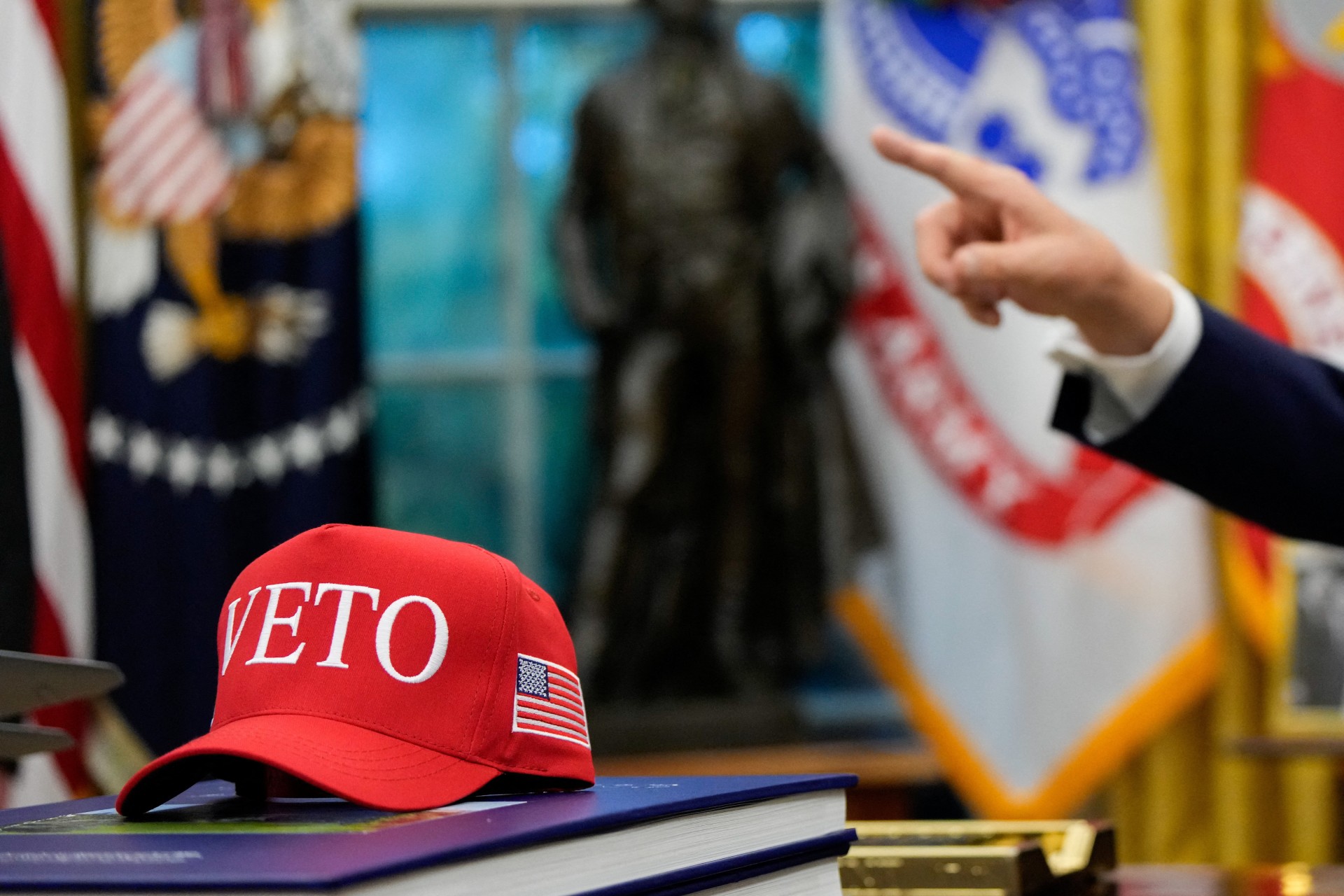
So Trump and congressional Republicans will have powerful cards to play come January. How are they likely to play them? Have the midterms made them more likely to compromise with Democrats or more likely to dig in their heels? Are there some issues where congressional Republicans might desert Trump and cooperate with Democrats to send him legislation he opposes?
To answer these questions, I wanted to speak with someone who has seen Congress operate from the inside. So I recorded the latest episode of The President’s Inbox with former Republican Representative Will Hurd. He is a former CIA clandestine officer who represented Texas’s twenty-third congressional district for three terms from 2015 to 2021. Will is currently president of Icon Prime, a defense and space-technology company, and a member of the Council on Foreign Relations’ Board of Directors.
[Video: https://vimeo.com/1248093921]
Here are three takeaways from my conversation with Will:
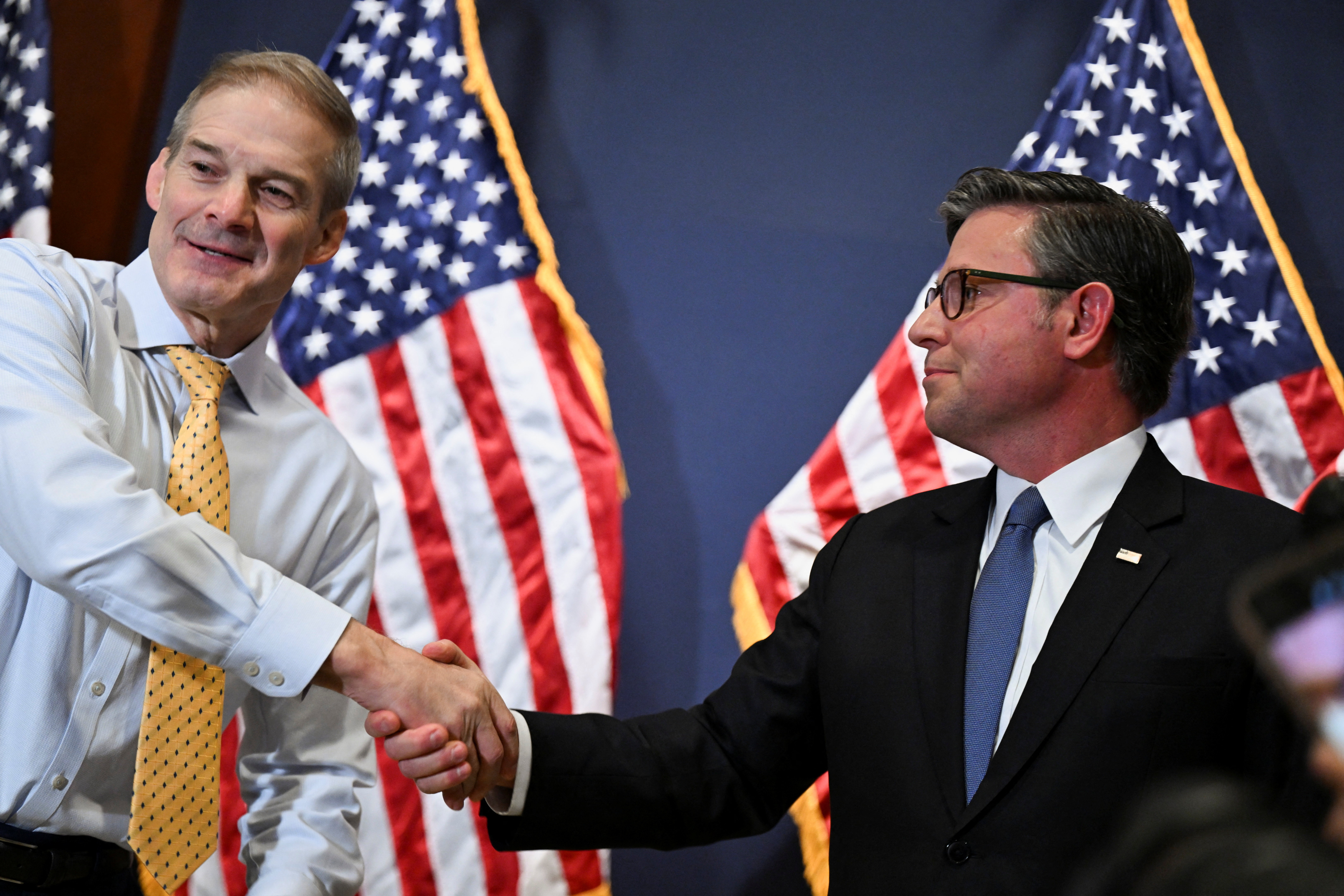
1. Most congressional Republicans will stand with Trump on foreign policy. The midterms did not erase the country’s deep partisan divisions or render Republicans more inclined to make common cause with Democrats. As Will noted, the Republicans who survived the blue tsunami “won in overwhelmingly red districts.” Those lawmakers know two things: they have “safe seats that are won in primaries, not in general elections,” and the president’s base remains firmly behind him. So crossing the president could trigger a primary challenge in 2028. Republican lawmakers also know that the more success Democrats enjoy the harder it will be for Republicans to take back Congress in two years. Finally, many of the Republicans with the deepest foreign policy expertise and the strongest inclination to curb Trump’s disruptive approach to foreign policy are departing Congress at the end of the year, because of either retirement or defeat.
2. Democratic unity on many issues could be hard to find. Will represented a highly competitive congressional district that stretched from San Antonio to Texas’s border with Mexico. He won one election by less than a thousand votes. So he knows from experience that positions popular in your party may not align with your constituency’s views, let alone your own. He noted that “some Democrats...won in really red” districts. If you are a lawmaker from such a district who follows your party’s lead on policies unpopular back home, “you may not see yourself in that seat” after the next election. How well the Democratic congressional leaders manage the divisions within their ranks and where the policy choices they endorse will in turn affect how Republican lawmakers respond. It is easier to find common ground when differences are narrow rather than broad.
3. Congress has changed dramatically over the last half century in ways that make it harder to forge compromise. Will noted that the committee system in Congress was once far stronger than it is today. “Committee chairmen or chairwomen had probably greater power and authority to pass legislation than the speaker did” in the late 1990s, Will argued, “and those committee chairs would often you know give more credence and precedence to the members on their committee from the opposing party than they did members of their own party that weren’t on the committee.” Now power is centralized in a congressional leadership that is looking to maximize partisan advantage. In addition, the push to make congressional decision-making more transparent, on the theory that sunlight is the best disinfectant, coupled with the rise of social media, has made it harder to strike deals. Will served on the House Intelligence Committee. He noted that its work has historically been less partisan than that of other congressional committees. “One reason,” he noted “is most of those committee hearings aren’t on C-SPAN.” Lawmakers today are eager to play to the galleries, a practice that was once frowned upon. As Will put it, “when your interest is clicks or views, versus getting your legislation across the line, then it makes it harder for legislation to happen.”
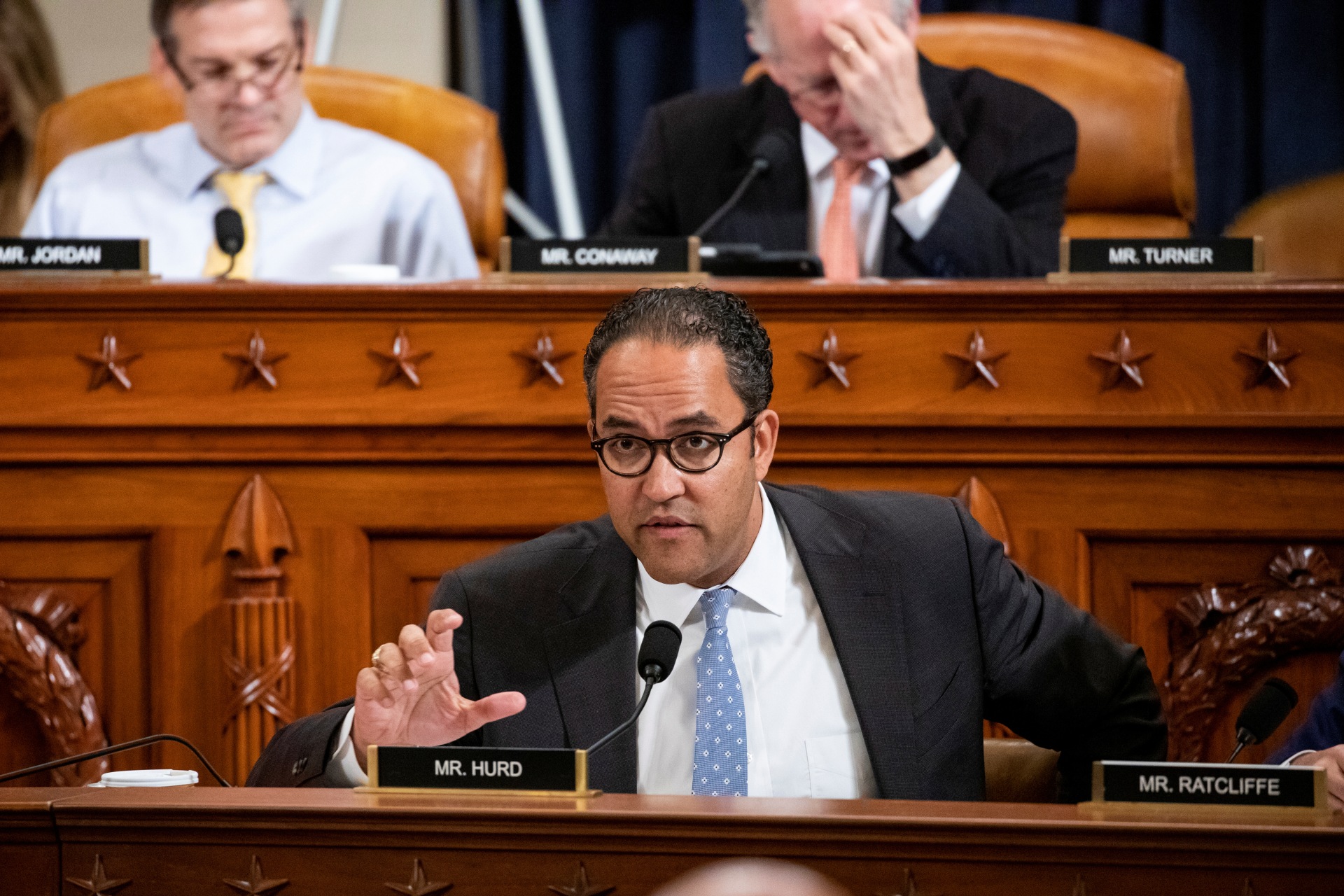
Will and I covered several other topics in our discussion. These included what it is like to represent a congressional district the size of the state of Georgia; how the 2028 presidential campaign will cast a long shadow over what the next Congress does; how the House Intelligence Committee operates; and why Congress should reexamine U.S. basing options in the Middle East in the wake of Operation Epic Fury. I encourage you to give the episode a listen.
Oscar Berry, Asher Ross, and Justin Schuster assisted in the preparation of this article.
This work represents the views solely of the author(s). The Council on Foreign Relations is an independent, nonpartisan membership organization, think tank, and publisher, and takes no institutional positions on matters of policy.