How I Got My Career in Foreign Policy: José Miguel Vivanco
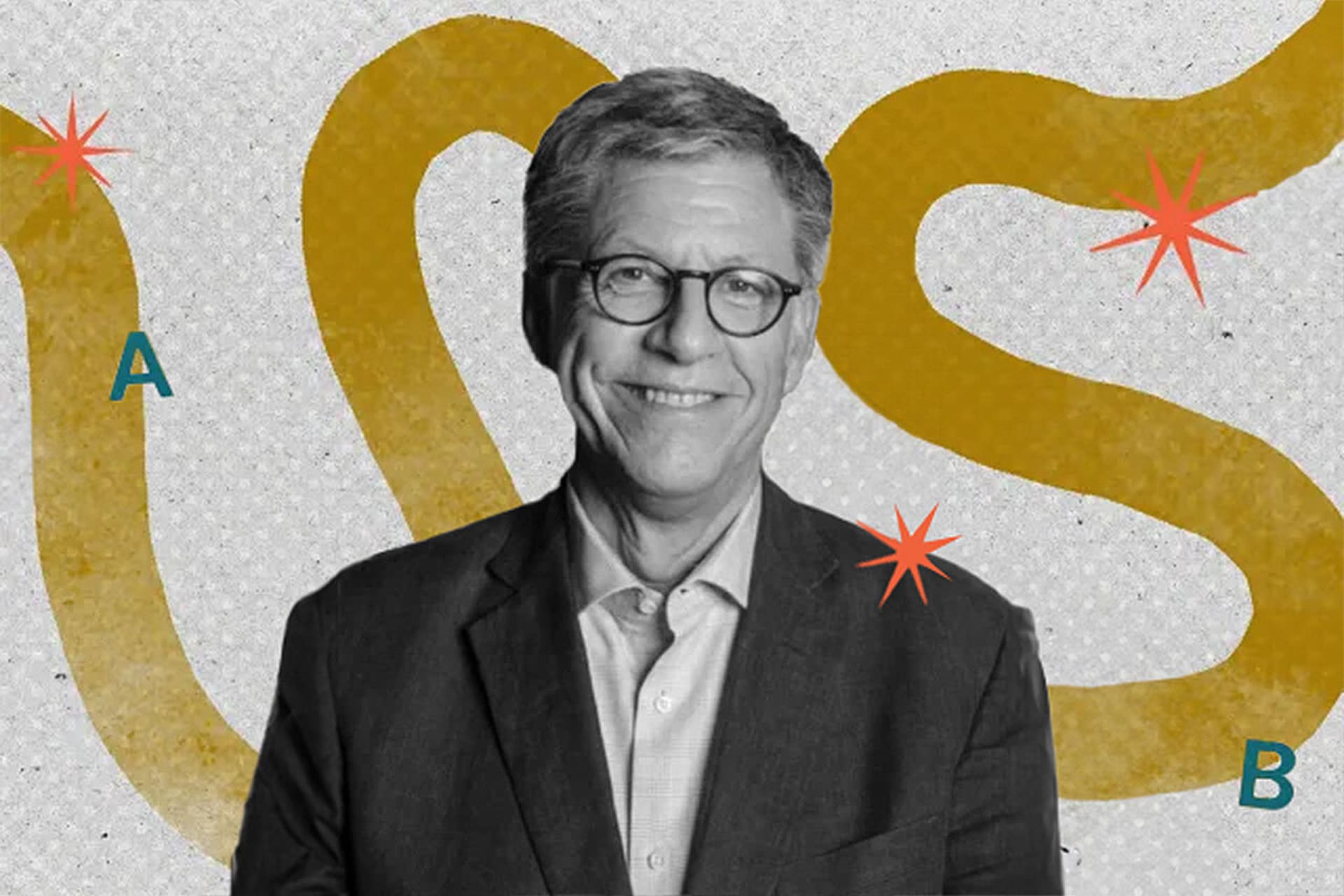
Growing up under military dictatorship in Chile taught José Miguel Vivanco to value the power of international law. He sat down with CFR to discuss a career dedicated to defending human rights, negotiating with Fidel Castro, and the importance of following your passion.
By experts and staff
- Published
- Kaleah HaddockEditorial Assistant
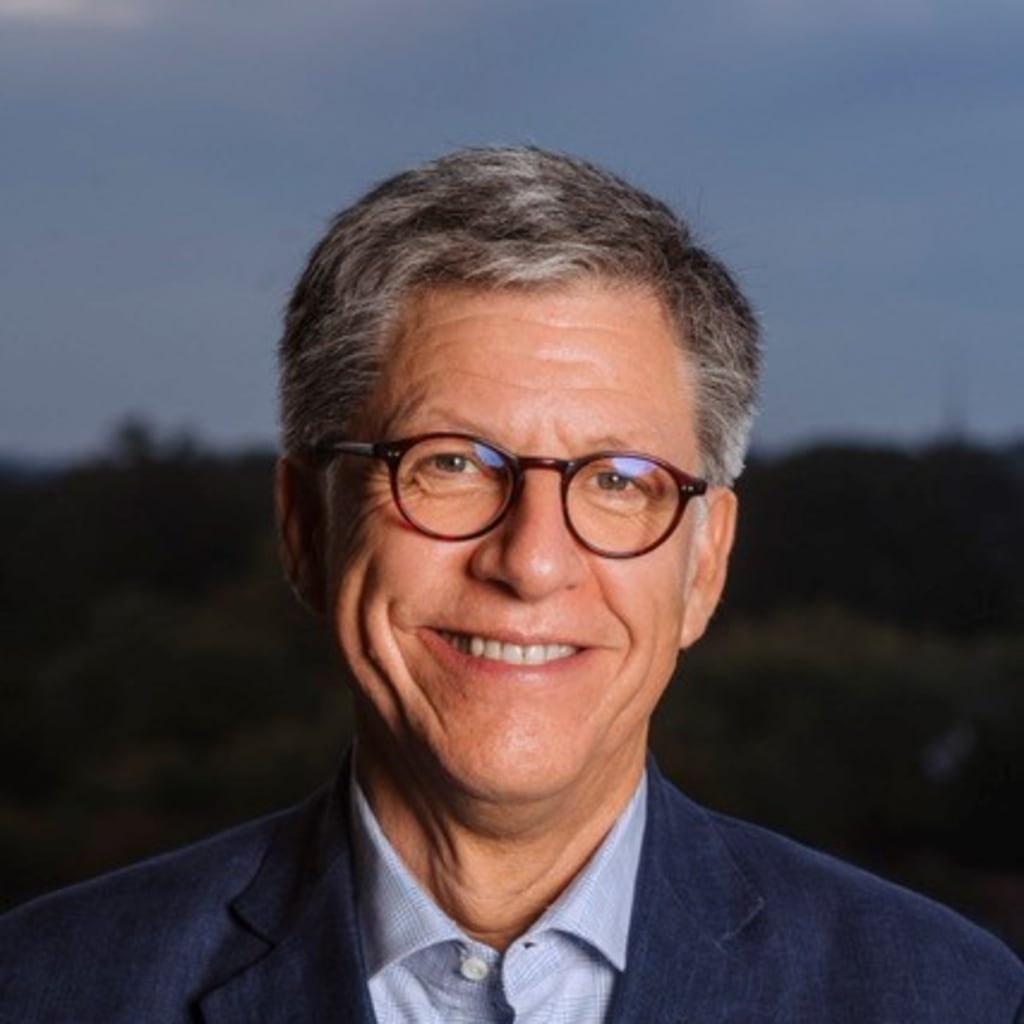 José Miguel VivancoCFR ExpertAdjunct Senior Fellow for Human Rights
José Miguel Vivanco’s passion for human rights stemmed from his childhood living under military dictatorship. Having witnessed the “ineffectiveness of the judicial system” in the country, Vivanco dedicated himself to a career in the law. He would go on to found the Center for Justice and International Law (CEJIL) before becoming the executive director of the Americas division at Human Rights Watch (HRW). He is currently an adjunct senior fellow for human rights at the Council on Foreign Relations (CFR). Read more about how he prioritized which human rights crises to tackle, the time he got arrested in Venezuela, and the importance of impartiality in human rights work.
Here’s how José Miguel Vivanco got his career in foreign policy. If you’re interested in this series, check out more editions here.
What did you want to be growing up?
I grew up under a military dictatorship in Chile. The military coup happened when I was thirteen years old. I was pre-adolescent during that period, and until I left Chile, I lived all those years under the same military government.
Fortunately, my family didn’t suffer any persecution or repression during the dictatorship, unlike many families who were forced to leave the country for Europe, the United States, and other places in Latin America. Others were not that lucky, and were captured, illegally detained, and subjected to gross human rights violations, including killings and disappearances.
I come from a very Catholic family, and the Catholic Church was overwhelming in solidarity with the victims of persecution in Chile. Through the Catholic Church, I learned a lot about what was really happening in the country. When you live under this type of regime, people are very much afraid of talking about these issues, and what prevails is fear and silence. Through our channels with the Catholic Church, which was very involved in supporting and protecting the victims of persecution, I was educated with regard to the degree of cruelty of the abuses that were committed. Simultaneously, I also learned about the total ineffectiveness of the judicial system.
What I thought at a very early age was that the only real way to bring some attention to what was going on in my country—and hopefully exercise pressure to release prisoners and protect individuals—was by appealing to the international community. I had some very early notions when I was an adolescent that my dream was to become a lawyer. My presumption was that in any dictatorship, you need lawyers who could mobilize international attention to apply international principles, international law, and international mechanisms of human rights protection, to at least to make a serious effort to save lives and to release prisoners.
Why did you choose to come to the United States?
I chose to come to the United States, particularly to Washington, DC, because I thought Washington offered two really big advantages. One is that I would be able to learn more about international mechanisms of human rights protection, how that system works, how we can apply those protections to specific cases. By that time, I was obviously committed to using the system and these international mechanisms to help Chile, but also other nations with similar experiences whose peoples were victims of abuses.
The second one was that Washington would offer me the opportunity to learn how we could use some of the opportunities that the most powerful nation on the planet offered, especially via the U.S. Congress—to exercise pressure in the name of human rights on other countries.
What was your first job like at the Inter-American Commission on Human Rights? What was it like being involved in some of the first cases before the Inter-American Court?
It was a fascinating experience. I was very young, probably twenty-five or twenty-six. I was lucky because I got unique opportunities to work in this field. At that time, it was called America’s Watch, and I learned how Washington works, how you build up bipartisan support for certain issues, and what specifically could be done in terms of legislation.
Immediately after, I was hired by the Inter-American Human Rights Commission to be in charge of the first international human rights litigation before the Inter-American Court of Human Rights. I was working for the Commission in Washington, but also worked on a case before the Inter-American Court on Human Rights, which was based in San José, Costa Rica. This was the first ever international human rights litigation in Latin America and also in the Global South. It was extremely relevant. It was a case about disappearances, so I was pretty much in charge of that process and that litigation.
At the same time, the Inter-American Human Rights Commission requested that I be in charge of evaluating human rights in the military dictatorship in Panama. Panama was run at that point by a military dictator, General [Manuel Antonio] Noriega. I had the chance to meet several times with Noriega and different officials and to advocate for the release of political prisoners, as well as the protection of free speech of newspapers and radios that were under heavy censorship. That was very powerful on a personal level.
What led you to establish the CEJIL?
I went to Harvard University to do a master’s in law, but I concentrated my classes on international human rights protection. When I graduated from Harvard, I came back to Washington, and I had an idea to create a new NGO dedicated exclusively to representing victims of human rights abuses, and representing them for free. I was very clear that I would not have the capacity to handle a huge number of cases and complaints, so I established a criteria for selection of cases. It was an opportunity, eventually, to develop international law in certain areas.
That was actually a very successful experience. I was initially the only employee, because this was a nonprofit entity with space in Washington. I was lucky enough to get a small donation from the Canadian government—they were the first ones who trusted the project. Then the European Union was very enthusiastic, and I got very substantive support from them for several years to develop this entity. I was able to grow this NGO from just one person to—at the end, when I left the Center in 1994—a group of around twelve lawyers working full-time with offices in Brazil, the Caribbean, Central America, Costa Rica, Geneva, and Washington.
What experiences did starting your own organization provide you that you couldn’t have found working somewhere else?
The idea required an organization that was able to do this on a full-time basis. There was no other group or NGO in the region that specialized in this area. This was a completely original idea to create a permanent entity that would represent victims for free.
Our test cases helped develop the concept of torture. In domestic and international law, in some legislation, the crime of torture is perceived or considered essentially physical torture, but not psychological torture. I wanted to show how complex the way repressive governments used torture was, and the point of this entity was to bring specific facts to show that the current definition of the crime was insufficient. My idea was that it would contribute to the evolution of human rights protections all over the planet. That was the goal.
That entity is still kicking and is very much alive. I’m very proud of what we did, and it has plenty of resources and their lawyers dedicated on a full-time basis to keep defending and representing victims, defending human rights, and promoting fundamental freedoms at an international level.
What drew you to working for Human Rights Watch?
When I arrived in Washington in 1986, my first job was working with America’s Watch for a full year. At that time, I was essentially advocating, lobbying, and researching for human rights, for attention and pressure from the U.S. government. It was fascinating for me to see how that was doable. It was not impossible to find lawmakers genuinely interested, even though they had ideological differences.
After building CEJIL, I realized it was pretty much ready to take off on its own. I applied for the position as Executive Director of the Americas Division of HRW in 1994 and was appointed. My initial experience with America’s Watch was so rewarding that I thought I need to give a second chance to the research-advocacy field in Washington. My experience at HRW was so fascinating and rewarding; I worked there for almost thirty years.
As Executive Director for the Americas, how did you decide which human rights crises to prioritize?
Certainly, the gravity of the situation was an important factor. That was really probably the most pressing criteria. Another was if we happened to have initial information or prima facie evidence that the government in particular was directly or indirectly involved in those abuses. Another important factor was countries that were facing an internal armed conflict. And I think it was particularly important to address armed conflicts because you could show the public that human rights abuses could be committed by state actors as well as illegal armed groups. I think you need to make sure that there is never a perception of a double standard. Another criteria was always to pay close attention to what was going on in countries run by dictatorships—like, for instance, Cuba—and to make realistic, doable recommendations to be implemented by the government as well as the international community.
What was your most memorable case from working at HRW?
I think we did a lot for the people of Venezuela at a very early stage, when there was no international consensus that the country was moving in the wrong direction and becoming a dictatorship. I’m talking about 2006 to 2007. In 2008, we published a comprehensive report when former President Hugo Chávez was still around, demonstrating with evidence that the country was seriously moving in the direction of a dictatorship.
Our report received a lot of attention because after going with a colleague to Caracas to release it and meet with government officials, I was arbitrarily arrested and expelled from the country at gunpoint. Fortunately, they sent us to Brazil and we received a lot of support there. I think the lack of willingness of the Chávez government to accept a critical report with additional evidence that the country was moving toward dictatorship was actually something that was still pretty clear in my mind.
We had so many opportunities to contribute to bringing attention and support for victims of human rights violations. I think we were effective in Colombia, which at that time was run by a right-wing leader, Álvaro Uribe. We did a lot of research showing that the military was directly involved in human rights abuses, as well as the left-wing guerrillas self-defense groups. We got a lot of support, but also criticism, because sometimes it is hard to accept that human rights abuses are committed by people from different ideologies. The duty of a human rights organization is to document those cases and confront those abuses.
You’ve engaged directly with heads of state and even negotiated with leaders like Fidel Castro. Can you tell me about that?
I went to Cuba as part of an international mission, but I was there representing HRW. I visited all the Cuban prisons. At that time, I was able to interview twenty-four political prisoners. Then the tough part of the job was to negotiate directly with Fidel Castro about the release of those political prisoners.
It was a very difficult and unpleasant meeting. It lasted for around eight hours and the good news is that we walked out of the meeting with a commitment from Castro that he would release six of those political prisoners, which he did. I’m very glad that I was able to participate in something like that, but it was not easy.
What motivated your transition to CFR?
After leaving Human Rights Watch, my passion was still international law, human rights debates about these issues, and promoting awareness about the most difficult cases. The Council is the most prestigious institution in the United States for those who care about international relations in general, not just international law. Many of my interlocutors, at the State Department, in Congress, and even in academia, are CFR members.
The opportunity to organize roundtable discussions with the members of the Council on human rights and democracy issues is really a privilege. I have a chance to attend many important and relevant meetings organized by the Council and get to interact with people who otherwise I wouldn’t be in touch with, and to come up with ideas for new initiatives to address some of the most pressing issues we are facing in the world today. That is extremely rewarding.
What advice do you have for young people today who want to get into foreign policy, law, or even human rights law?
Number one, follow your passions. Don’t give up. Don’t assume that this is an impossible dream. It’s not easy to work on these issues, because it’s not-for-profit and the opportunities are very rare. So if you happen to have that intellectual curiosity about foreign affairs, international human rights law, international humanitarian law, when you see those international conflicts in the Middle East and Ukraine, you might feel tremendously frustrated and upset. You might be interested in exploring that in professional or academic work. What else can you do to bring attention to what is happening and the devastation in the world?
Well, one way to work on these issues is to learn more about the work of the International Committee of the Red Cross, which works on those conflicts, or maybe join some sort of international court, or apply for a position as a diplomat in your own country.
My strongest advice is, follow your passion. If you’re interested, don’t procrastinate. You need to strategize and think very carefully how you move from A to B, what is lacking in your CV, in your background, your experience, what type of exposure or experience you need to have in order to keep building a career that will give you opportunities.
Do not get demoralized and pessimistic about the status of global affairs. We are going through a very difficult time. If you have concerns about these issues and you think you have a passion to address them—use your brain, use your connections, apply for the right fellowship at the right time, educate yourself. Keep pushing and pushing to be able to find those opportunities, because it is possible.
I’m sure you’ve had many interesting work trips and dinners over the years. Is there a most memorable one you could share with us?
There are so many because my job was to travel the region. HRW gave me so many opportunities. I took advantage of those times, and ended up meeting with so many heads-of-state and people who had a lot of power to influence the destinies of their countries. It’s hard for me to identify a single instance.
In human rights affairs, you don’t only meet with people who you admire, you have to be ready to meet with people who have a pretty scary background. I had plenty of those meetings, and it’s important in those meetings to come across as fair and professional as you can, because it is a unique opportunity. You can blow it. You can let your personal animosity to that individual overcome the opportunity to get some positive impact. I think the most important advice is to do plenty of preparation and rely on your team, the professionals who are working with you to help you to get fully prepared for that meeting. There are too many people who could suffer or be relieved as a result of what you are advocating for.
This interview has been edited for length and clarity. It represents the views and opinions solely of the interviewee. The Council on Foreign Relations is an independent, nonpartisan membership organization, think tank, and publisher, and takes no institutional positions on matters of policy.