From New York to Belém: Climate Week in Context
This is a limited excerpt from the Climate Realism Initiative Newsletter. Sign up to receive monthly insights from the initiative's fellows and staff, including articles, videos, podcasts, events, and more.
Autumn in New York
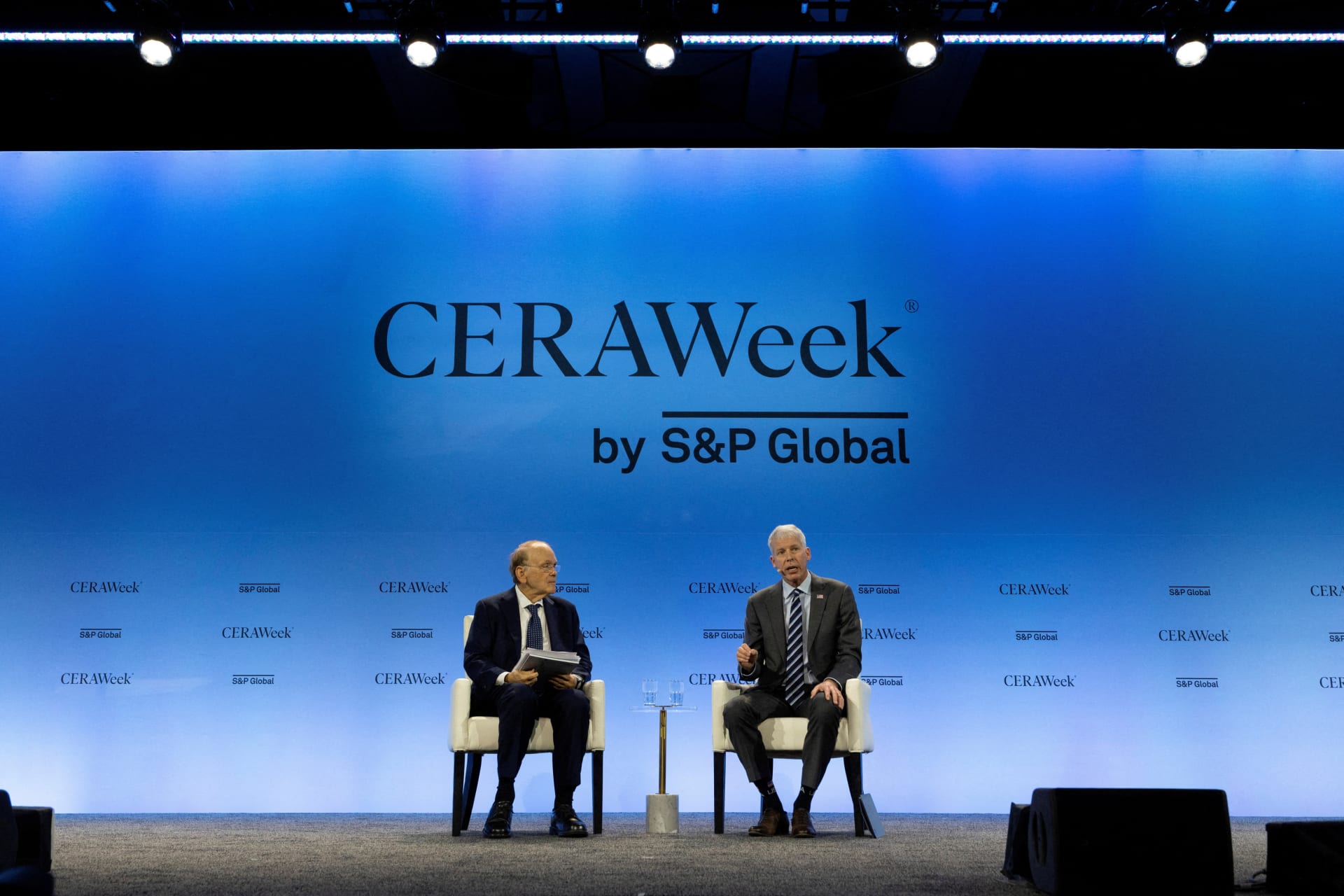
New York City’s Climate Week, which is held the last full week of September, traditionally serves as the unofficial curtain-raiser for the United Nations’ annual climate summit. International delegates, already in town for the UN General Assembly, mingle with the assembled finance, media, industry, and activist communities for a multiday whirlwind of events that presages the debates and priorities of the subsequent summit.
The theme of this year’s Climate Week was “Power On,” an appeal no doubt intended to be inspirational but which was freighted with all the exhausted, forced cheer of a parent in hour three of a kindergartner’s birthday party. As U.S. climate policy weathers unprecedented political headwinds and international climate governance shows increasing signs of strain, there was little of the anticipation one might expect at a curtain-raising affair.
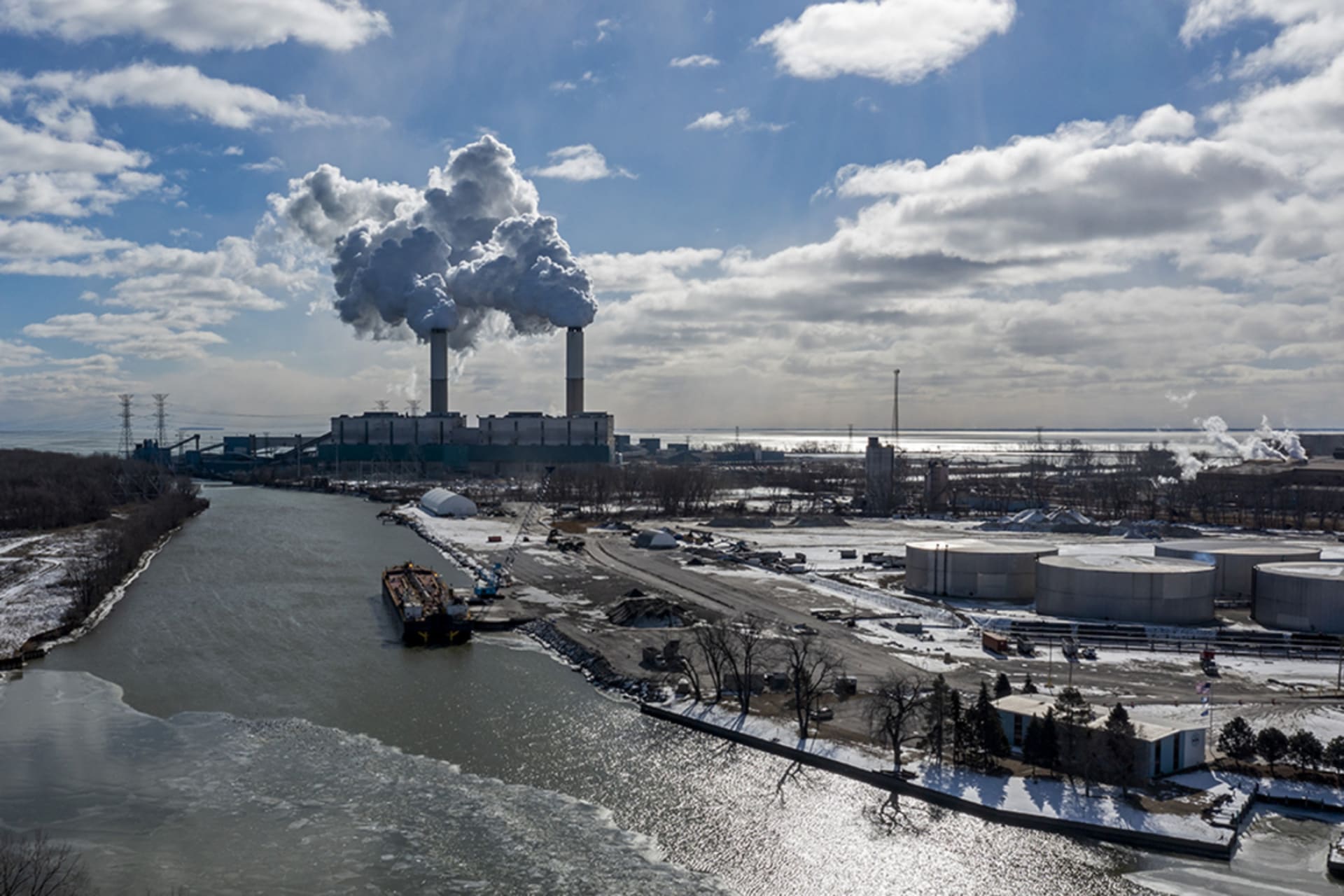
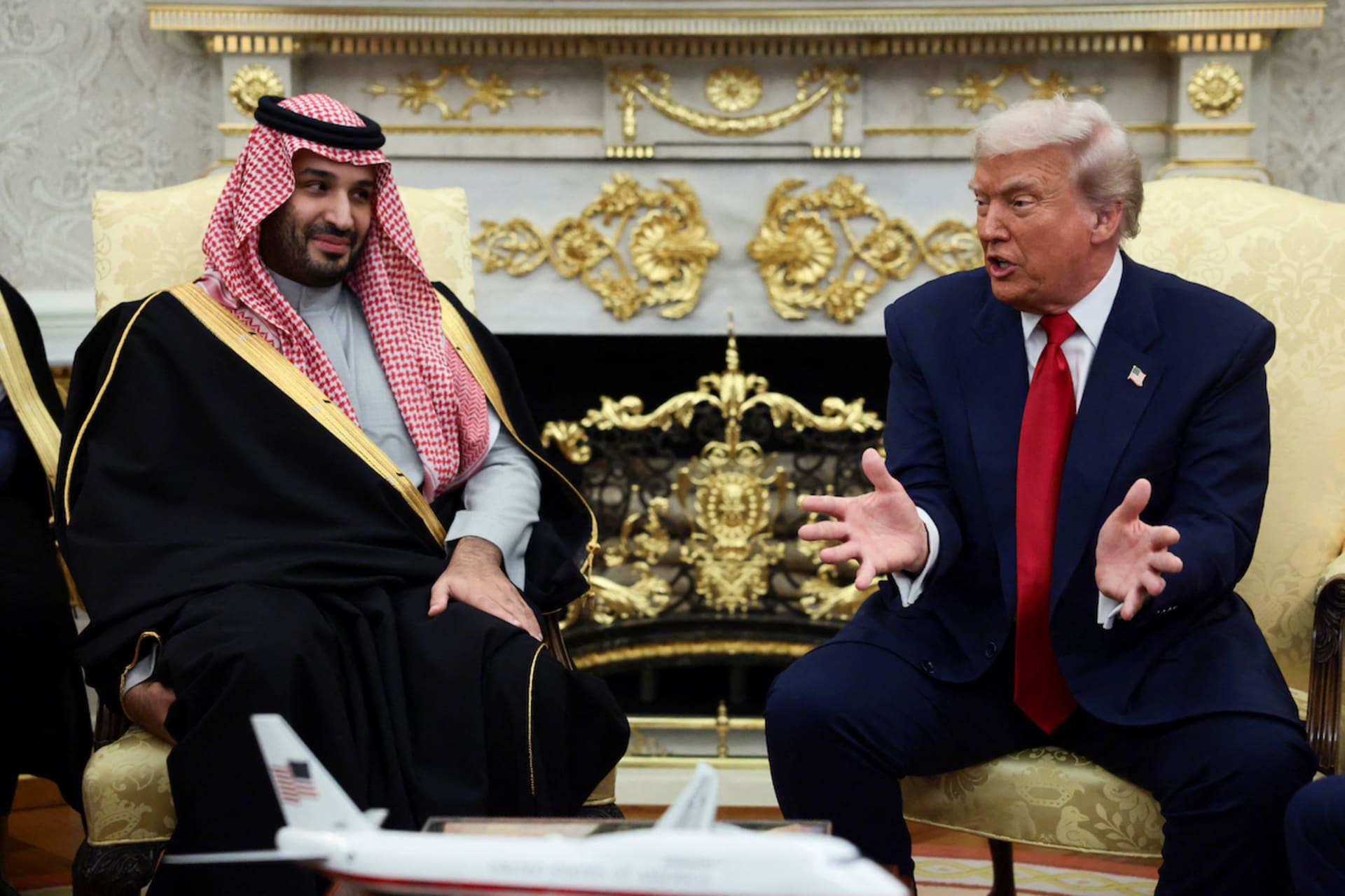
President Donald Trump didn’t exactly set a welcoming table. As he pledged during the 2024 campaign, Trump has once again pulled the United States out of the Paris Agreement, taking the world’s largest economy out of the international climate conversation. He has also thrown U.S. clean energy policy into sharp reverse, making it harder to develop and deploy low-carbon energy, and used trade policy to strong-arm other countries into buying U.S. fossil fuels, jeopardizing their own climate commitments.
Speaking from the rostrum at the General Assembly, the president was characteristically blunt: “If you don’t get away from this green scam, your country is going to fail.”
But, for all that Trump excels at capturing attention and generating outrage, his actions are not the only—or even the main—challenge ahead of the summit. The uncomfortable truth is that the existing system of international climate policymaking is not achieving its goals.
Indeed, the world is far from meeting its emissions reduction targets. At the landmark Paris climate summit in 2015, policymakers agreed to work to limit overall warming to 1.5°C above preindustrial levels by 2100, a goal that would have required emissions to peak by 2025 and decline by 43 percent by 2030.
A decade on, the growth rate of global emissions has slowed, but the overall level of emissions has continued to rise. As the world prepares to meet in Belém, Brazil, for this year’s summit, the planet is on track to warm more than 3°C—a level of warming that could doom the Amazon Rainforest surrounding the host city.
More ominously, the entire theory of change undergirding the Paris Agreement seems to be breaking down. Unlike the earlier Kyoto agreement, which foundered in the U.S. Senate because it required specific emissions reductions from wealthy countries but asked little of even major emerging economies like China, Paris offered a more flexible emissions reduction mechanism. All signatories—wealthy, emerging, and developing countries alike—were invited to volunteer what changes they could. Every five years, these pledges would be renewed, offering a regular opportunity for countries to be challenged to deepen their commitments over time.
With universal participation and regular public accountability, the theory went, the Paris framework could generate the right balance of climate ambition and political palatability. That model relies, however, on a sense of trust and common purpose that is in increasingly short supply.
Consider the countries of the UN Security Council, ostensibly the leaders of the international system. President Trump’s antipathy to international collaboration is well documented. Nationalist parties are challenging for power in the United Kingdom and France. The world’s largest annual emitter, China, performs participation in international institutions, but is also pursuing a coercive, occasionally extralegal, foreign policy, especially in its neighborhood. And Russia is engaged in both active and grey zone warfare in Europe, with little sign of interest in dialing back hostilities.
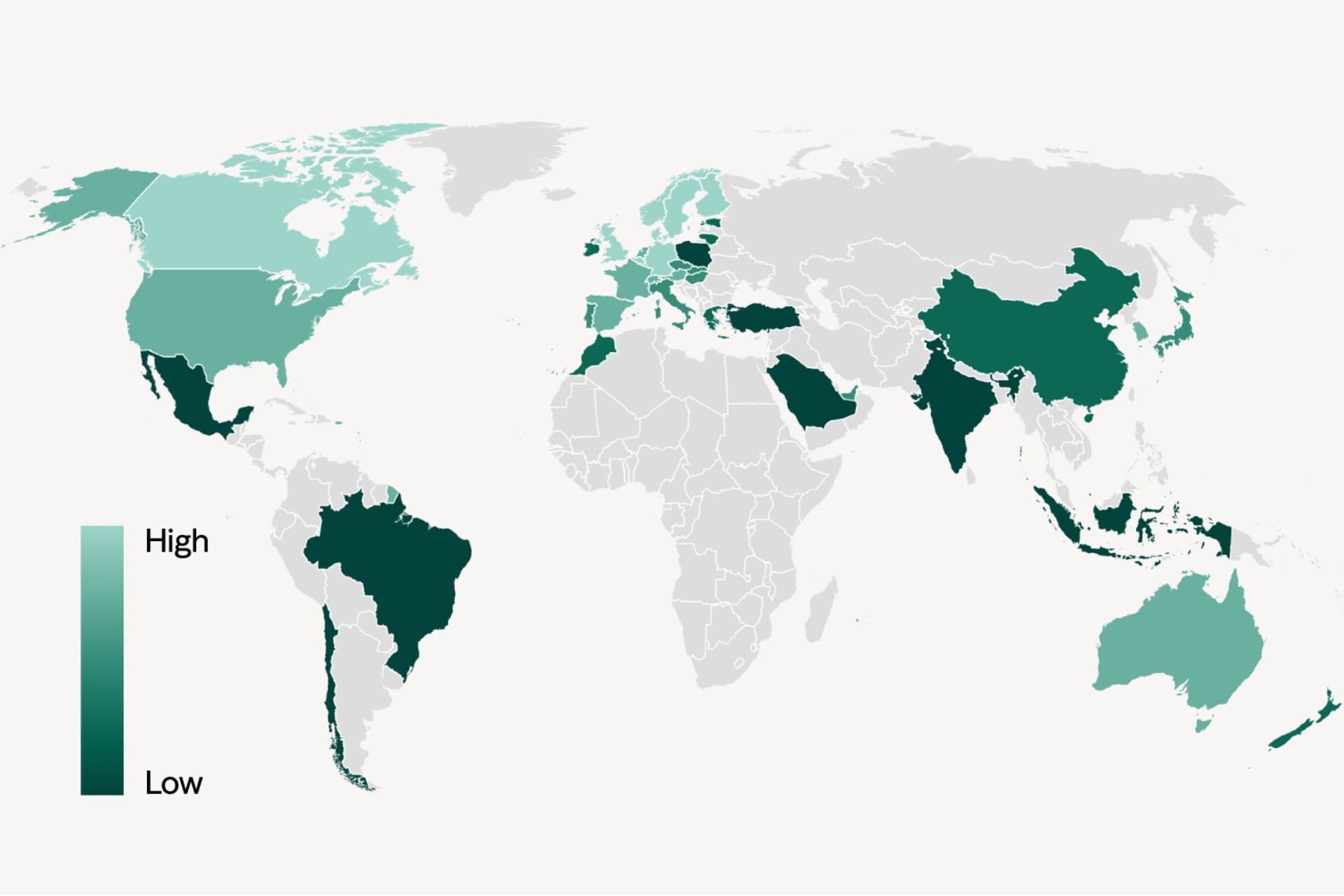
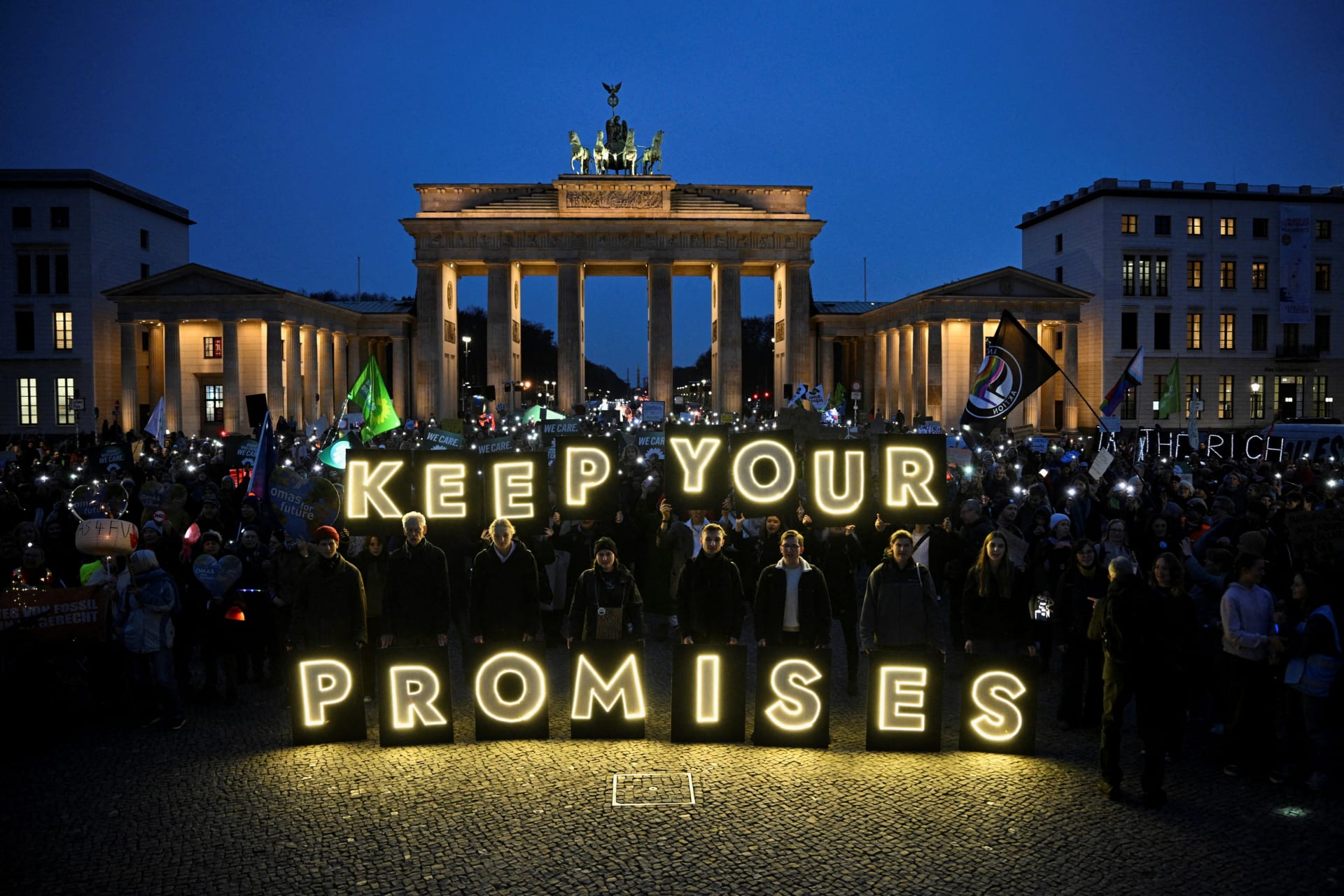
Leadership like this helps to explain why just 36 countries—out of a possible 195—have submitted refreshed emissions reduction pledges so far. A system that relies on good faith, public accountability, and shared aspiration faces an uphill battle in today’s geopolitical climate.
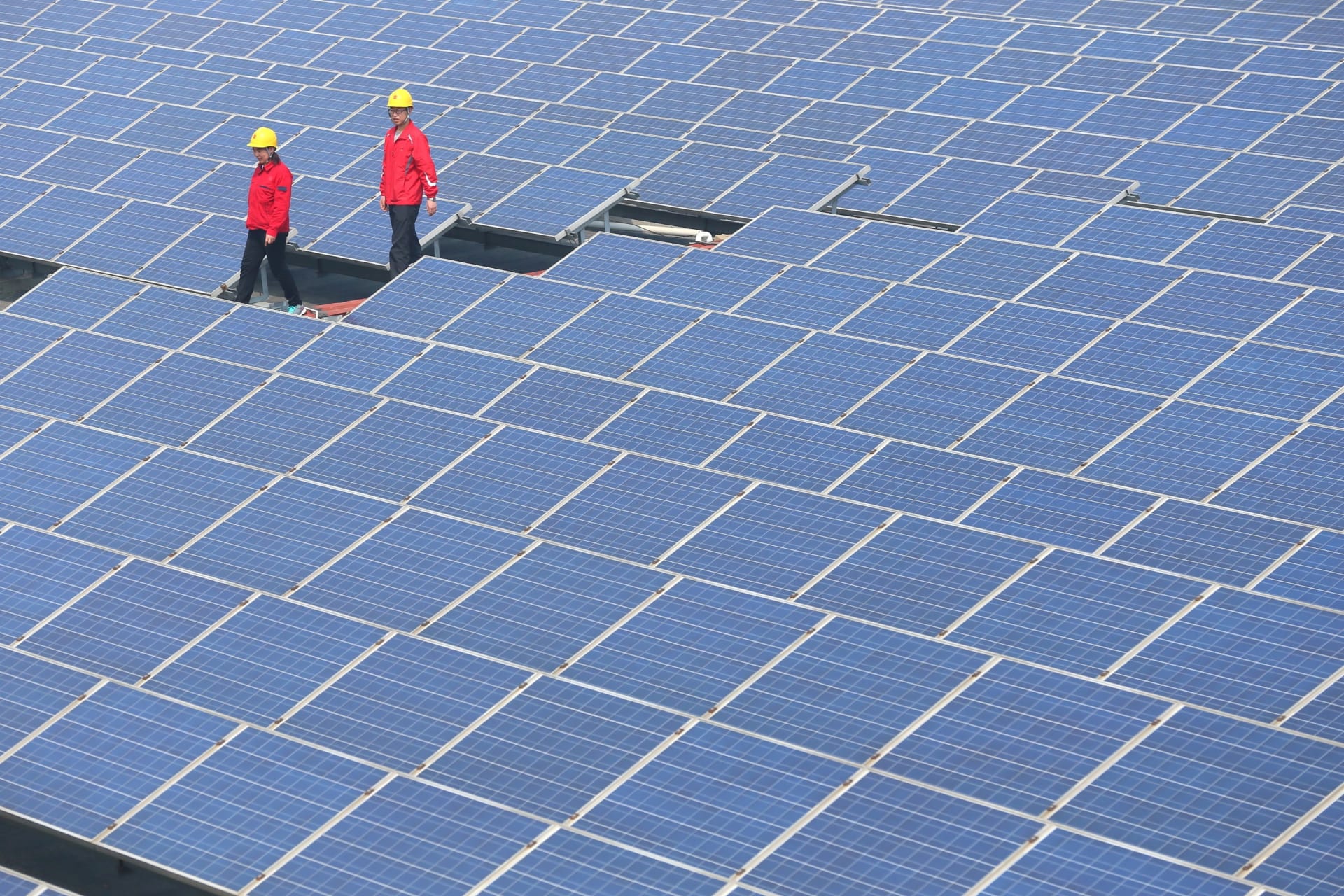
Despite this discouraging international environment, many Climate Week attendees were stoic. “History,” one attendee told Axios, “is a long game.” And, in the context of the more than nine hundred affiliated talks, tech showcases, and networking opportunities that took place across all five boroughs during the sprawling event, there were plenty of ways for participants to look beyond the current political deadlock to a low-carbon future driven by competition and innovation.
Whether that future can be realized in a timeframe that prevents climate disaster is, of course, an open question. History may be a long game but, as John Maynard Keynes famously quipped, “In the long run, we’re all dead.” Ideally, meaningful climate action will take place in the somewhat nearer term.
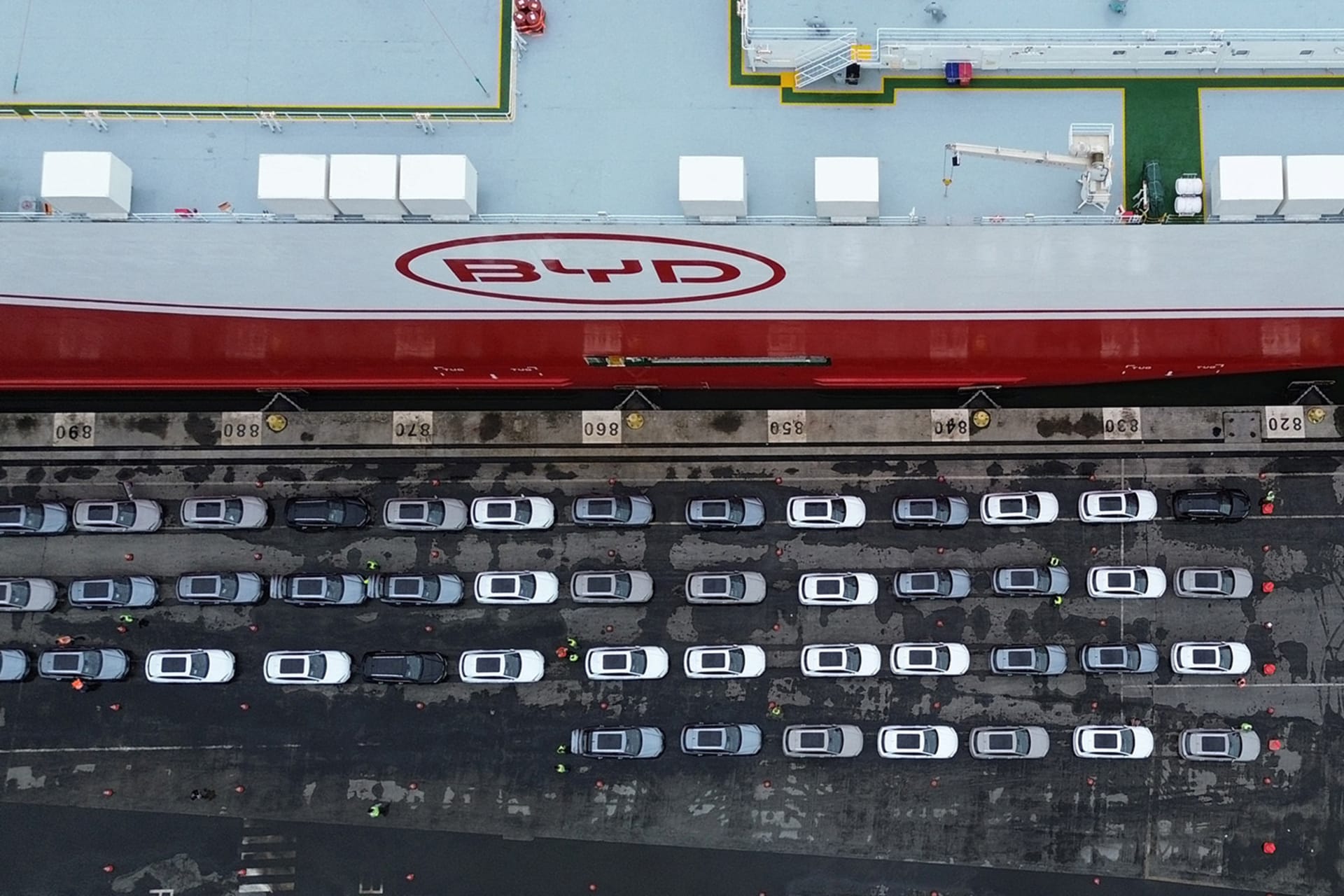
A future shaped solely by competition, moreover, has the potential to further entrench domestic and international inequities, and to shape geopolitics in a way that the United States may not welcome. But, in the absence of alternatives out of Belém, that future may be the most probable one.
Climate Week Events Around CFR
Navigating Energy Demand
CRI Senior Fellow David M. Hart talks with Senior Fellow Carla Anne Robbins and investigative reporter Bennet Goldstein about the increasing demand for energy from data centers and what it means for U.S. climate and energy resilience. Watch the event
Russell C. Leffingwell Lecture with Prime Minister Mark Carney of Canada
Canadian Prime Minister Mark Carney discusses his country’s foreign policy priorities, and explains why energy is central to Canada’s success. Watch the video
A Conversation with International Energy Agency Executive Director Fatih Birol
Speaking with CRI Senior Fellow Daniel B. Poneman, Birol offers a comprehensive tour of the world’s biggest energy risks and trends. Watch the event
Media Briefing: Unpacking the President’s UN General Assembly Speech
Speaking with other CFR experts, CRI affiliate and David M. Rubenstein Senior Fellow Alice C. Hill breaks down President Donald Trump’s surprisingly extensive comments on climate during his UN address. Watch the video
CRI on the Climate Week Issues
Trump’s UN Speech Cannot Steer the Global Climate Effort
Hill argues that President Trump’s UN speech was, “both a warning and a provocation,” in which he made clear that the United States is removing itself from the climate conversation. Whether that undermines or strengthens global ambition will be determined by the delegates in Brazil. Read the analysis
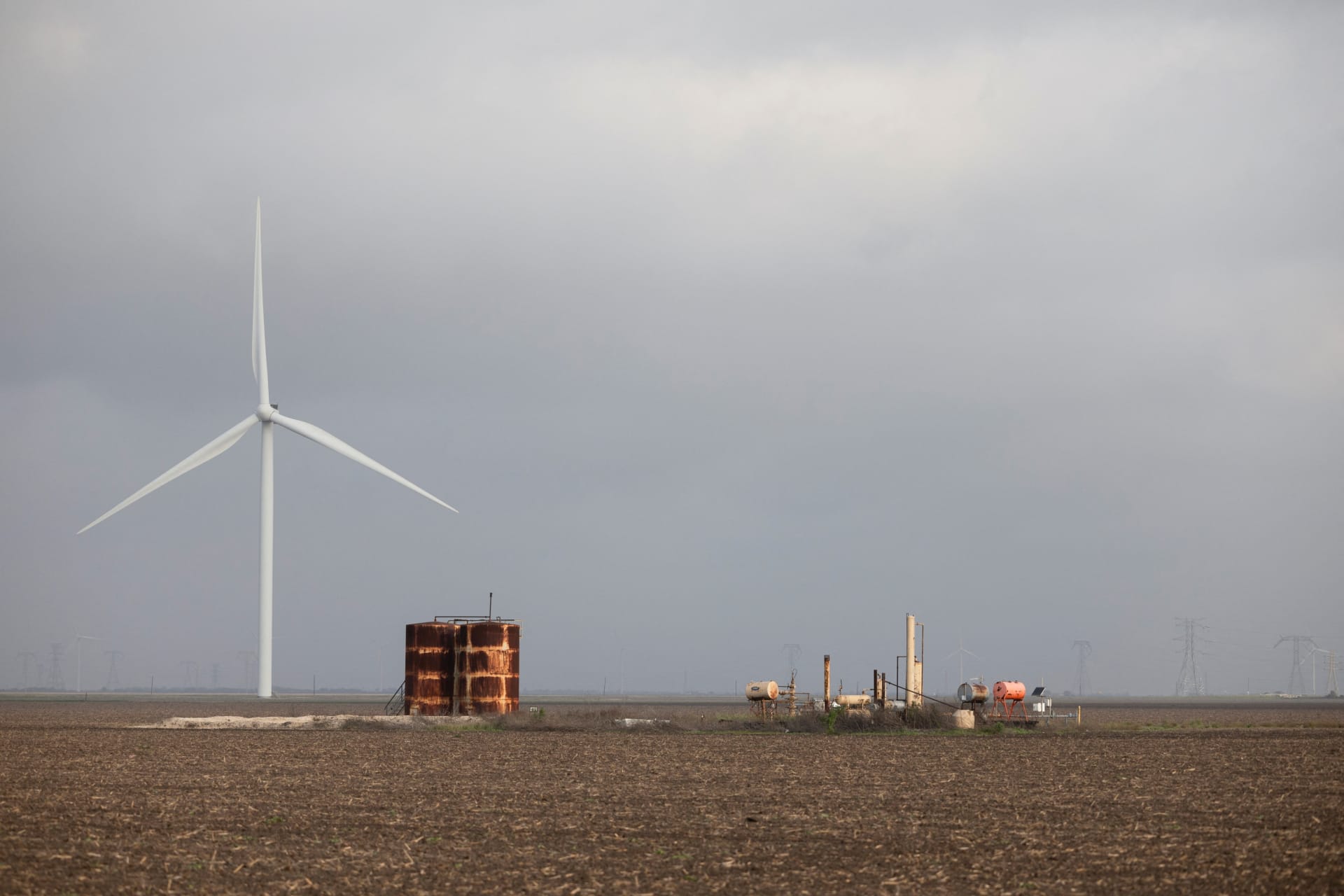
The U.S. Interconnection Challenge: Why Renewables Are Stuck in Line
CRI Research Associate Mia Beams and Intern Davis Recht explain what the interconnection queue is, why it poses a barrier to rapid renewables deployment, and what can be done to fix it. Read the article
About the Climate Realism Initiative
The Climate Realism Initiative charts a novel course for U.S. climate policy that is realistic in forecasting climate impacts and U.S. leverage and realist in assessing that countries will work to advance their own interests.