Enhancing U.S.-Japan Coordination for a Taiwan Conflict
Overview
How well the United States and Japan are able to deter an attack on Taiwan and respond jointly and effectively to Chinese aggression if deterrence fails could determine Asia’s future, as well as their own.
 David SacksCFR ExpertFellow for Asia Studies
Overview
The questions of whether China will use force to bring Taiwan under its control and how the United States should deter and respond to Chinese aggression have emerged as central concerns for U.S. policymakers and analysts. With Taiwan under its control and available to base its increasingly capable military, China could easily threaten Japan and the Philippines, two U.S. treaty allies. The PLA would also be able to project power beyond the first island chain and more easily monitor and interdict U.S. military movements. China would gain control of the world’s twenty-first largest economy, the United States’ ninth-largest trading partner, and the global epicenter of semiconductor manufacturing.
The stakes are even higher for Japan, as a Chinese occupation of Taiwan would fundamentally challenge Japanese security. If China were to station PLA forces on Taiwan, its military would be only 110 kilometers from Yonaguni Island, the westernmost point of Japan. Such an outcome would render it far more difficult for Japan to defend Yonaguni, the Senkaku/Diaoyu Islands, and Okinawa. The United States by extension would find it just as difficult to defend the sovereignty of its treaty ally. Indeed, a successful Chinese invasion could very well lead to the unraveling of the network of U.S. alliances in Asia, which has served Japanese interests for the past three-quarters of a century and underpinned peace and security in the region. Ultimately, unanswered Chinese aggression against Taiwan could precipitate the establishment of a Chinese-led order in the world’s most economically dynamic region.
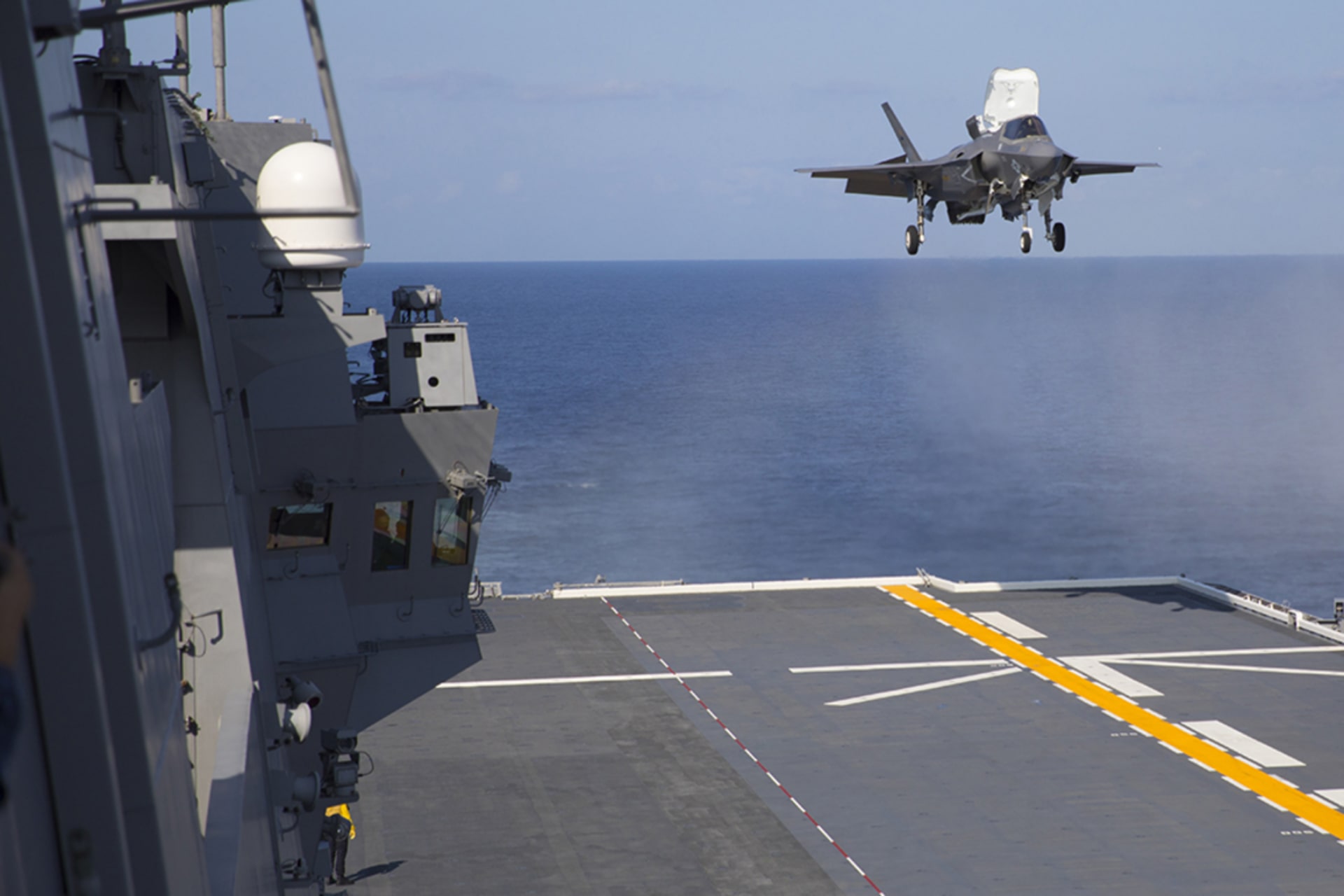
To prevent such an outcome, and in the face of eroding deterrence and a shift in the balance of power toward China, the United States and Japan should increase their coordination for a Taiwan conflict. Preparing for a conflict in the Taiwan Strait should become a major priority for the U.S.-Japan alliance and should drive force posture, procurement, and bilateral operational planning and exercises. Simply put, the United States cannot effectively come to Taiwan’s defense without the use of its forces and assets located on Japan and significant Japanese logistic and operational support.
 Report
 Report
 Report
 Report
 Report
 Report